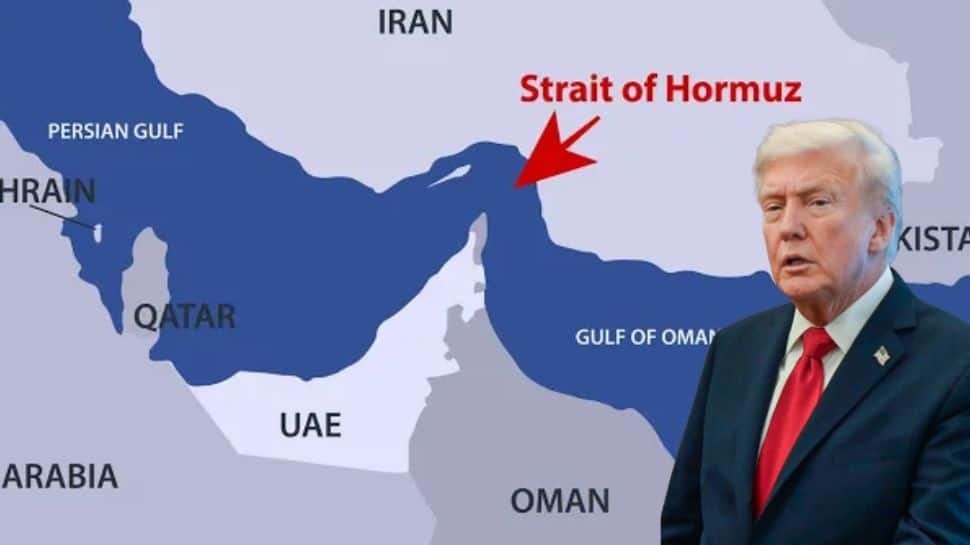

President Donald J. Trump has escalated tensions with Iran in dramatic fashion, announcing that the U.S. Navy will immediately begin blockading the Strait of Hormuz. The move comes just hours after a marathon diplomatic meeting in Islamabad ended without Iran agreeing to abandon its nuclear ambitions.
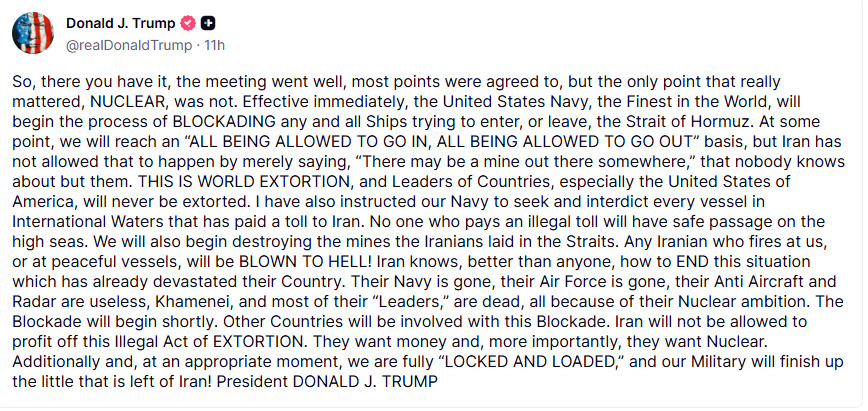
In a lengthy Truth Social post late on April 12, Trump laid out exactly what happened behind closed doors and why he decided enough was enough. He made it clear: while many issues were settled during the talks, the one that mattered most — Iran’s nuclear program — was a complete non-starter.
How the Islamabad Talks Unfolded
According to Trump, the meeting was arranged with the help of Pakistan’s leadership. He praised Field Marshal Asim Munir and Prime Minister Shehbaz Sharif for their “kind and very competent” role in hosting the discussions. Trump also took a moment to thank the two Pakistani leaders for what he described as their past efforts in preventing a major war with India, claiming they helped save “30 to 50 million lives.”
The talks themselves were grueling. They started early in the morning and stretched nearly 20 hours into the night. Trump said his team — Vice President JD Vance, Special Envoy Steve Witkoff, and Jared Kushner — sat across from Iranian representatives Mohammad-Bagher Ghalibaf, Abbas Araghchi, and Ali Bagheri. He noted that, over time, the American and Iranian sides actually developed a level of respect for each other. But respect, he stressed, doesn’t change the bottom line.
“IRAN IS UNWILLING TO GIVE UP ITS NUCLEAR AMBITIONS,” Trump wrote in all caps. He added that this single issue outweighed every other point of agreement reached during the long session.

Why the Blockade Starts Now
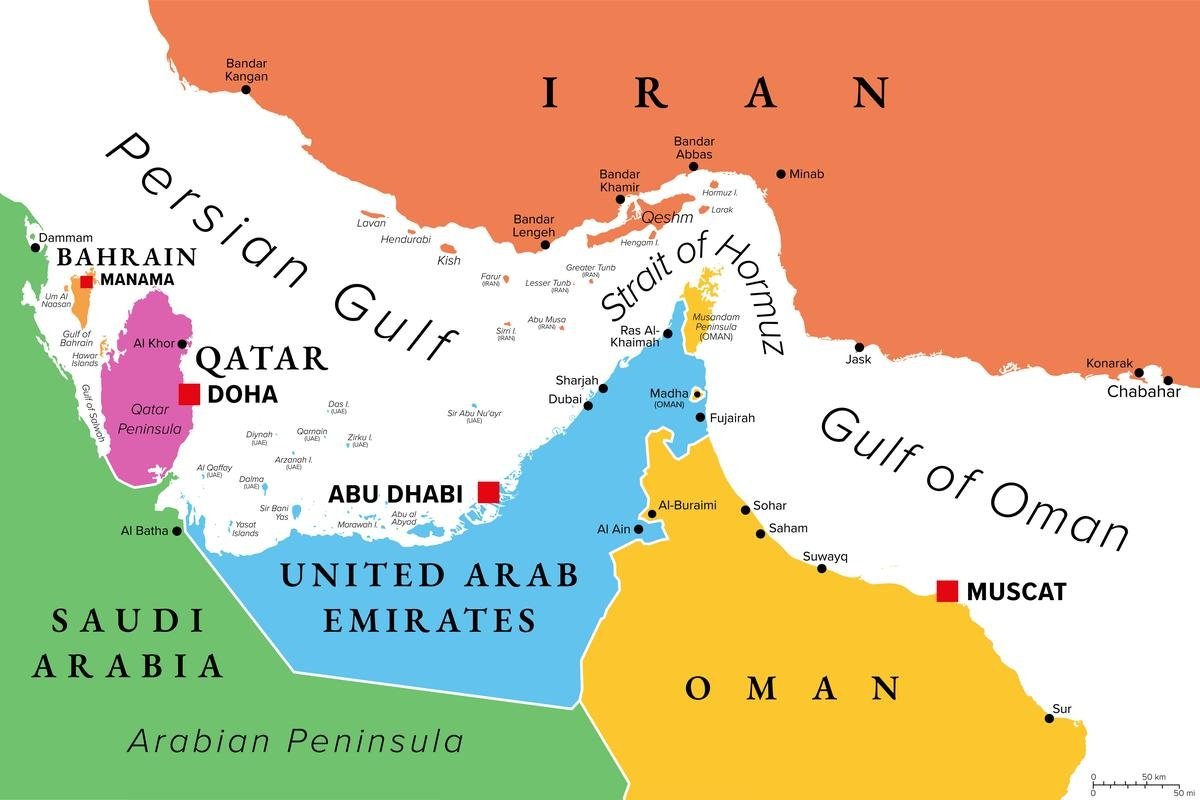
Trump accused Iran of breaking its promise to keep the Strait of Hormuz open, claiming the country had laid mines in the waterway even though much of its navy had already been destroyed. He called the situation “world extortion” and said no American leader would tolerate it.
Effective immediately, he ordered the U.S. Navy — which he described as “the Finest in the World” — to block any ships trying to enter or leave the strait. The blockade will also target vessels that paid what he called an “illegal toll” to Iran. American forces will begin destroying the mines Iran allegedly placed, and Trump warned that any Iranian who fires on U.S. or peaceful vessels “will be BLOWN TO HELL.”
He left the door slightly open for a return to normal shipping once Iran fully complies, but made it clear the current situation is unacceptable.
A Stark Assessment of Iran’s Position
Trump painted a grim picture of Iran’s current state. He said its navy and air force are largely gone, its anti-aircraft systems are useless, and many top leaders — including Ayatollah Khamenei — are no longer alive, all because of the country’s pursuit of nuclear weapons. He argued that continuing military operations to the end might have been possible, but the blockade is the right next step to prevent Iran from profiting off its actions or achieving nuclear status.
The president ended his post on a firm note: “Iran knows, better than anyone, how to END this situation… They want money and, more importantly, they want Nuclear.” He signed off simply as “President DONALD J. TRUMP.”
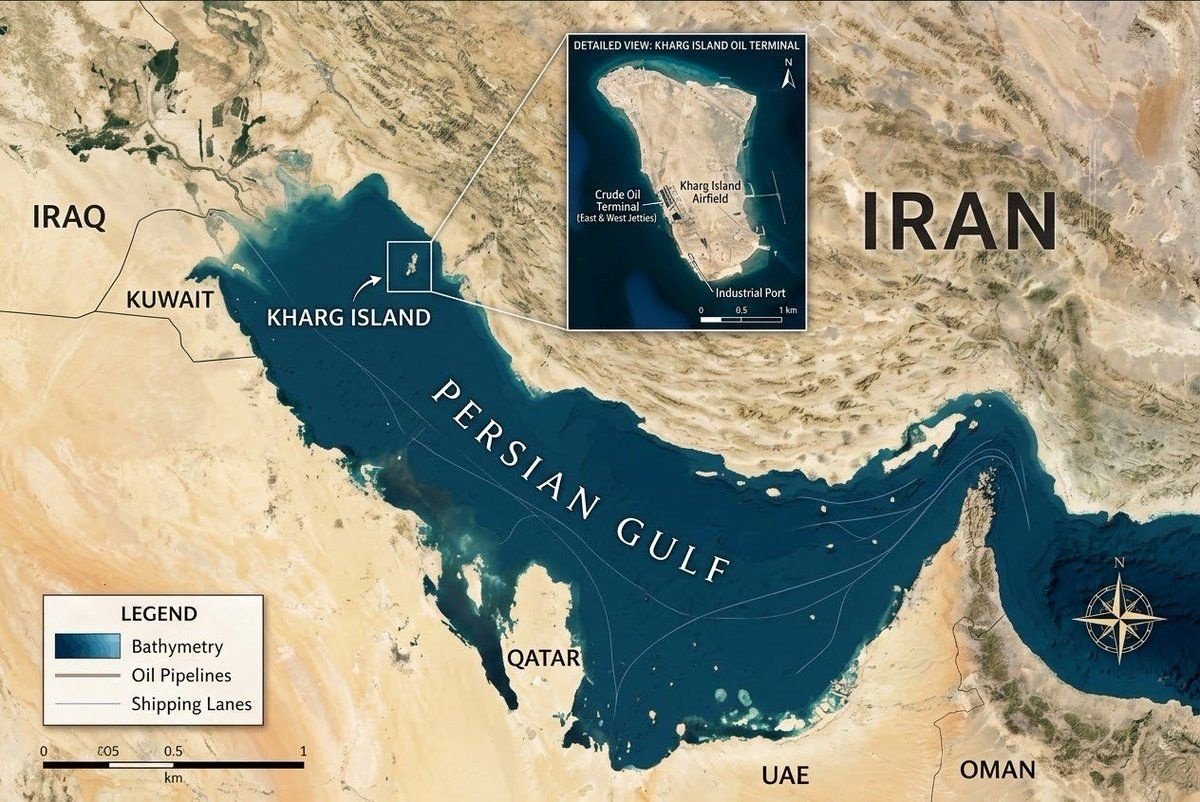
This latest development puts the world’s most important oil chokepoint under direct U.S. military pressure. The Strait of Hormuz carries roughly one-fifth of global oil trade, so any prolonged closure would send shockwaves through energy markets worldwide. For now, all eyes are on how Iran responds and whether other countries join the U.S. in enforcing the blockade.
The situation remains fluid, and further updates are expected in the coming hours.