
Tit-for-Tat Nuclear Escalation Hits New Danger Level as Tehran Retaliates for Natanz Attack
March 22, 2026 – Iranian ballistic missiles slammed into the southern Israeli towns of Dimona and Arad late on Saturday evening, wounding more than 100 people in what Tehran described as a direct response to an earlier US-Israeli strike on its Natanz nuclear enrichment facility the same day. At least two heavy warheads got through Israeli defences, striking residential areas close to the Shimon Peres Negev Nuclear Research Centre in Dimona. No radiation leaks were reported at either site, but the human cost, the damage to homes, and the fact that Israel’s most sensitive nuclear-linked town was openly targeted have pushed the ongoing conflict into a far more dangerous phase.
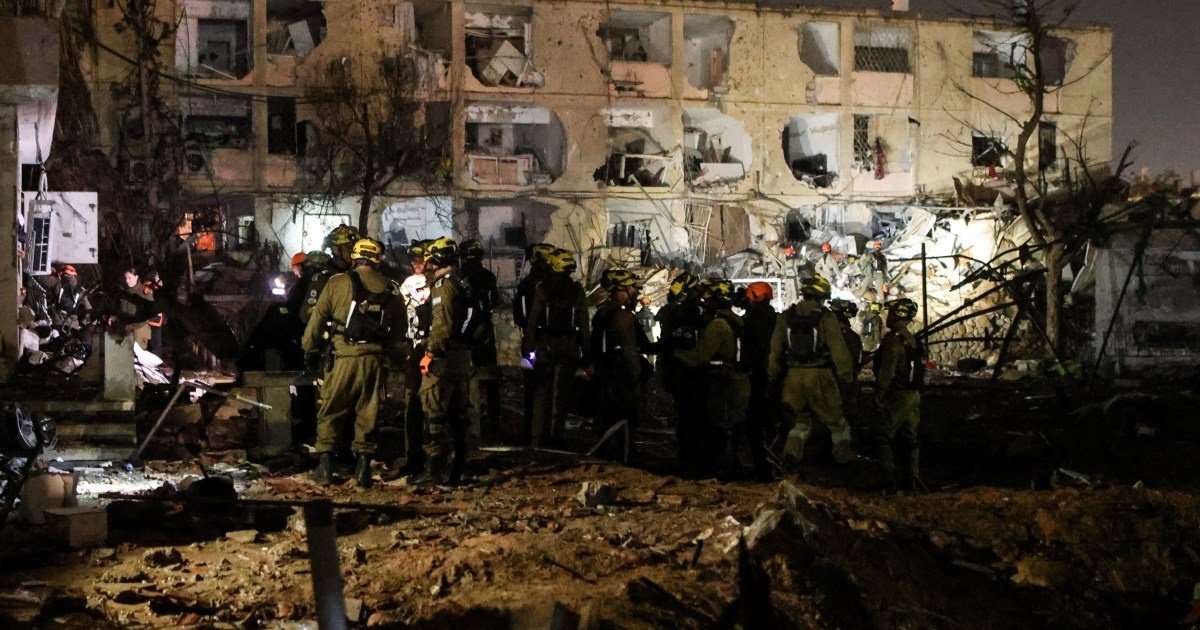
This wasn’t a symbolic warning. Missiles carrying hundreds of kilograms of explosives punched holes in apartment blocks, collapsed outer walls, and left craters right beside residential buildings. Rescue teams worked through the night pulling people from rubble while hospitals treated a sudden flood of casualties. Families spent hours in shelters, and the fear across the Negev desert is now very real.
What Exactly Happened – The Strikes in Detail
Iran fired multiple waves of ballistic missiles aimed at the area around Dimona, home to Israel’s main nuclear research centre. At least two projectiles evaded interceptors and hit their targets.
In Dimona, between 27 and 47 people were injured, including a teenager with serious shrapnel wounds and a 10-year-old boy in critical condition. One missile struck directly into a building; another landed in an open zone but still caused widespread panic and damage.
In nearby Arad, the impact was heavier. A direct hit shattered at least 10 apartment blocks – three of them are now at risk of collapsing. All 71 injured residents were hospitalised: 10 in serious condition, 13 moderate, and 48 light. Four more people were treated for acute anxiety and shock. Israeli media described the scenes as “very severe,” with people buried under debris and emergency crews racing between damaged buildings.
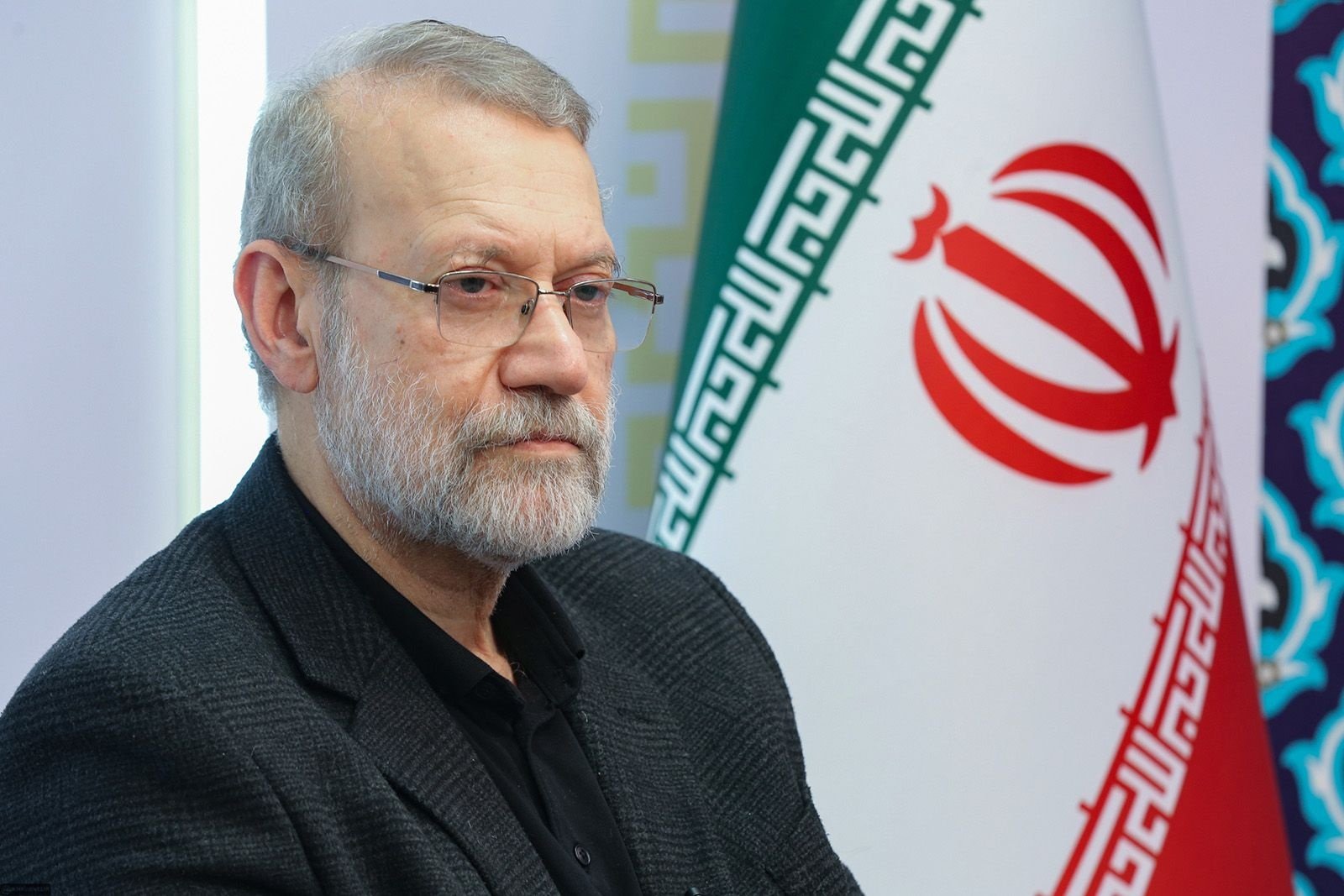
Iranian officials and state television were clear: the strikes were payback for the morning attack on Natanz. Parliament Speaker Mohammad Bagher Ghalibaf posted on X that the failure of Israeli defences around the heavily protected Dimona area “marks a new phase of the battle.”
The Backdrop: Nuclear Site for Nuclear Site
Earlier on Saturday, Iran’s atomic energy organisation reported that US and Israeli forces struck the Natanz uranium enrichment complex – the heart of Iran’s nuclear programme – using bunker-busting weapons. No radioactive material leaked, Iranian authorities stressed, and the IAEA is closely monitoring the site. Israel has not officially claimed the Natanz strike, but the pattern is now unmistakable: both sides are openly targeting each other’s most sensitive nuclear-related facilities.
For the first time in this conflict, Dimona – long considered off-limits – was directly hit. Analysts say this crossing of red lines has dramatically raised the stakes.
Official Statements and Social Media Reactions
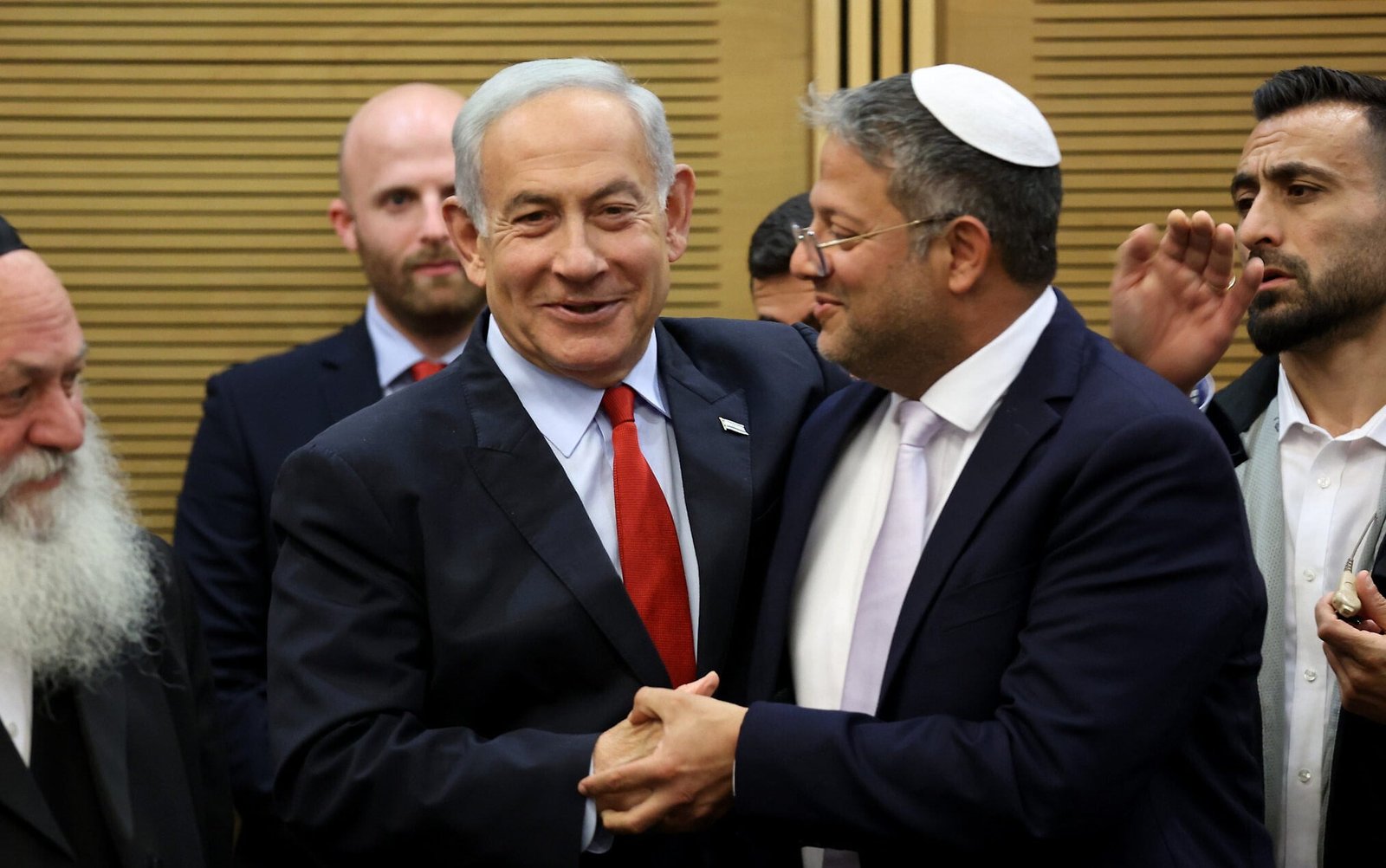
Israeli Prime Minister Benjamin Netanyahu called the night “very difficult.” In statements shared across official channels and widely circulated on social media, he said the government was mobilising every ministry to support the wounded, spoke personally with Arad’s mayor, and promised full assistance to affected families. He also made clear that Israeli operations against Iran “will increase significantly” in the coming days.
On X, real-time updates poured in: sirens blaring, shelter instructions, photos of craters next to apartment blocks, and rescue crews working under floodlights. One widely shared post listed exact figures – “All 71 injured in Arad… 10 serious.” Video clips showed the moment missiles struck and residents rushing for cover. Iranian accounts celebrated the “successful response,” while Israeli users posted calls for unity and shared Home Front Command alerts.
Internationally, the UN nuclear watchdog acted quickly. IAEA Director General Rafael Grossi confirmed no rise in radiation levels at either Natanz or Dimona and repeated urgent calls for “maximum military restraint” from all parties to prevent any nuclear accident.
What Comes Next?
Israeli schools in the southern affected regions have already moved to remote learning for at least the next two days. The military has opened an investigation into why the interceptors missed, emergency crews remain on high alert, and the cabinet is holding urgent meetings to plan further responses.
On the ground, people in Dimona and Arad are shaken but grateful that no deaths have been confirmed so far – a small mercy given the power of the warheads. In Iran, state media replayed footage of the strikes as proof of strength. The war that began with conventional targets has now moved squarely into nuclear-adjacent territory, a line both sides had carefully avoided until now.
With more than 100 injured, homes damaged, and both countries openly threatening further strikes on sensitive sites, the risk of a much wider and more catastrophic exchange is now front and centre.
This story is developing rapidly. New updates on casualties, official statements, and possible retaliatory moves are expected in the coming hours. If you’re in the region, follow official alerts from Home Front Command and local authorities closely. Stay safe.
Frequently Asked Questions (FAQs)
What exactly triggered Iran’s missile attack on Dimona and Arad?
Iran openly called this a measured response to a US-Israeli strike earlier on Saturday that hit its Natanz uranium enrichment facility – the heart of its nuclear programme. Iranian state media and officials said the morning attack on Natanz left no radioactive leak, but they warned they would hit back if their nuclear sites were touched. Tehran framed the Dimona strike (home to the Shimon Peres Negev Nuclear Research Centre) as proof that Israel’s “heavily protected” areas are no longer untouchable. It marks the first time in this war that a town housing Israel’s nuclear programme has been directly targeted.
How many people were hurt, and how bad was the damage on the ground?
More than 100 civilians were wounded across both towns – no deaths confirmed so far, which many are calling a small mercy given the size of the warheads. In Dimona, reports put the injured at 27 to 47, including a teenager with severe shrapnel wounds and a 10-year-old boy in serious condition. In Arad the numbers were higher: around 68–71 people hospitalised, with 10 in serious condition, 13–14 moderate, and the rest light injuries. Four more were treated for shock and anxiety. Missiles punched through Israeli defences, creating craters beside apartment blocks, collapsing outer walls on at least 10 buildings in Arad (three now at risk of collapse), and forcing rescue crews to dig people out of rubble all night.
Did the strikes hit Israel’s actual nuclear facility or cause any radiation danger?
No. The missiles landed in residential areas of Dimona and Arad, not directly on the Shimon Peres Negev Nuclear Research Centre itself (about 13–20 km away in Dimona). Israeli and Iranian authorities, plus the IAEA, have all confirmed no radiation leaks at either Dimona or Natanz. The UN nuclear watchdog is monitoring both sites closely and has repeated calls for “maximum military restraint” to avoid any nuclear accident. The symbolism, though, is huge – this was the closest anyone has come to hitting Israel’s nuclear heart in this conflict.
What has Israel’s government and Prime Minister Netanyahu said?
Prime Minister Benjamin Netanyahu described the night as “very difficult” and said the government is throwing every ministry and resource at helping the wounded. He spoke directly with Arad’s mayor, asked for prayers for the injured, and promised full support for affected families. He also made clear that Israeli strikes on Iranian targets “will increase significantly” in the coming days. The IDF admitted air defences fired but missed, and they are now investigating why. Schools in the south have switched to remote learning for at least two days, and emergency crews remain on full alert.
What happens next – is this going to get even worse?
That’s the big fear right now. Both sides have crossed a dangerous new line by openly hitting each other’s nuclear-related sites. Israeli officials say more operations against Iran are coming soon. Iran’s parliament speaker posted on X that the failure of defences around Dimona signals “a new phase of the battle.” The IAEA chief Rafael Grossi is urging calm to prevent any nuclear disaster. On the ground, families in the Negev are still in shelters, and the story is moving fast – expect more updates on casualties, possible new strikes, and international reactions in the next few hours. Right now the risk of a much wider and more catastrophic exchange feels very real.