

The Punjab government has introduced a reduced “smart syllabus” for 1st Year students in the 2025-26 academic year, designed to lighten the academic burden while emphasizing essential learning outcomes. This initiative, under the Accelerated Learning Program (ALP), offers relief to students and educators, particularly following recent educational challenges. Studies indicate that such optimized curriculums may enhance retention and performance, although some teachers suggest adaptations in instructional approaches might be needed.
Key Highlights
- Announcement and Purpose: The syllabus aims to simplify coursework by removing non-essential topics, enabling better exam preparation with reduced stress. It seems likely that this will be implemented across all Punjab boards for the 2026 annual exams.
- Subjects Affected: Compulsory subjects like English, Urdu, Islamiat, and elective subjects such as Mathematics, Physics, Chemistry, Biology, and Computer Science have been updated, with selected chapters or sections omitted to prioritize core concepts.
- Exam Implications: Exams will not include questions from excluded material, with paper patterns adjusted to match the revised content. Evidence suggests this could foster efficient study practices, though debates persist regarding possible shortcomings in holistic education.
- Availability: Official PDFs can be accessed via education board websites, with educational sites providing downloads for convenience.
How It Affects Students
This reduction acknowledges issues such as tight schedules and unequal access to resources. It stresses conceptual grasp over memorization, potentially aiding varied learners. Nevertheless, guardians and instructors should consider additional resources for areas that are omitted if necessary.
Where to Find It
Download the syllabus from sites like PECTAA or reliable portals such as Taleem360. Verify with board sites for any revisions.
In the dynamic educational environment of Pakistan, especially in Punjab, the launch of a “smart syllabus” for 1st Year in the 2025-26 session represents a notable advancement toward more accessible learning. Recently declared by Punjab Education Minister Rana Sikandar Hayat, this streamlined curriculum—formally known as the Accelerated Learning Program (ALP)—intends to lessen the academic strain on adolescents while guaranteeing they acquire vital concepts for advanced studies and assessments. This effort mirrors wider initiatives by the Punjab government to enhance the education framework, incorporating insights from prior interruptions like the COVID-19 crisis, where comparable reductions aided in sustaining academic progress.
The smart syllabus builds on previous years’ implementations of reduced curricula to mitigate learning gaps and boost efficiency. For 2025-26, the emphasis is on eliminating redundant topics, exercises, and examples from textbooks, permitting educators to delve deeper into material within the academic term. Per official directives, this method avoids content duplication, boosts conceptual clarity, and corresponds with Student Learning Outcomes (SLOs) crucial for advancing to subsequent levels. While applauded by numerous for alleviating tension, it has prompted discussions among educators about potential deficiencies in foundational knowledge, particularly in sciences where knowledge accumulates progressively. However, the program’s structure prioritizes depth over breadth, with exams confined to the updated content.
Understanding the Smart Syllabus: Goals and Rationale
The core objective of the ALP smart syllabus is to support effective education amid contemporary obstacles, including dense curricula and diverse student aptitudes. By paring down the syllabus, the Punjab Education, Curriculum, Training & Assessment Authority (PECTAA) seeks to:
- Alleviate academic overload, affording students additional time for review and extracurriculars.
- Concentrate on fundamental SLOs that establish robust bases for 2nd Year and further.
- Guarantee timely curriculum completion, preventing hasty instruction toward year-end.
- Elevate exam results by highlighting practical and conceptual comprehension over thorough rote learning.
This foundation draws from educator and stakeholder input, noting that complete syllabi frequently result in shallow topic coverage. The cuts also account for practical relevance, preserving elements that encourage critical analysis while discarding superfluous examples or advanced subtopics unnecessary at this stage.
Subjects Covered and Key Reductions
The smart syllabus pertains to all primary subjects for 1st Year, with precise omissions detailed in official records. Here is an in-depth overview, encompassing excluded content and exam frameworks, grounded in the ALP structure. These apply to groups like Pre-Medical, Pre-Engineering, General Science, and others, with variations for electives.
1. English (Compulsory)
Reductions center on thematic units to refine reading and grammar emphasis.
- Excluded Content: Specific units and exercises deemed non-core, focusing on retention of grammar, vocabulary, and composition. Refer to official PDFs for exact listings of non-examinable topics.
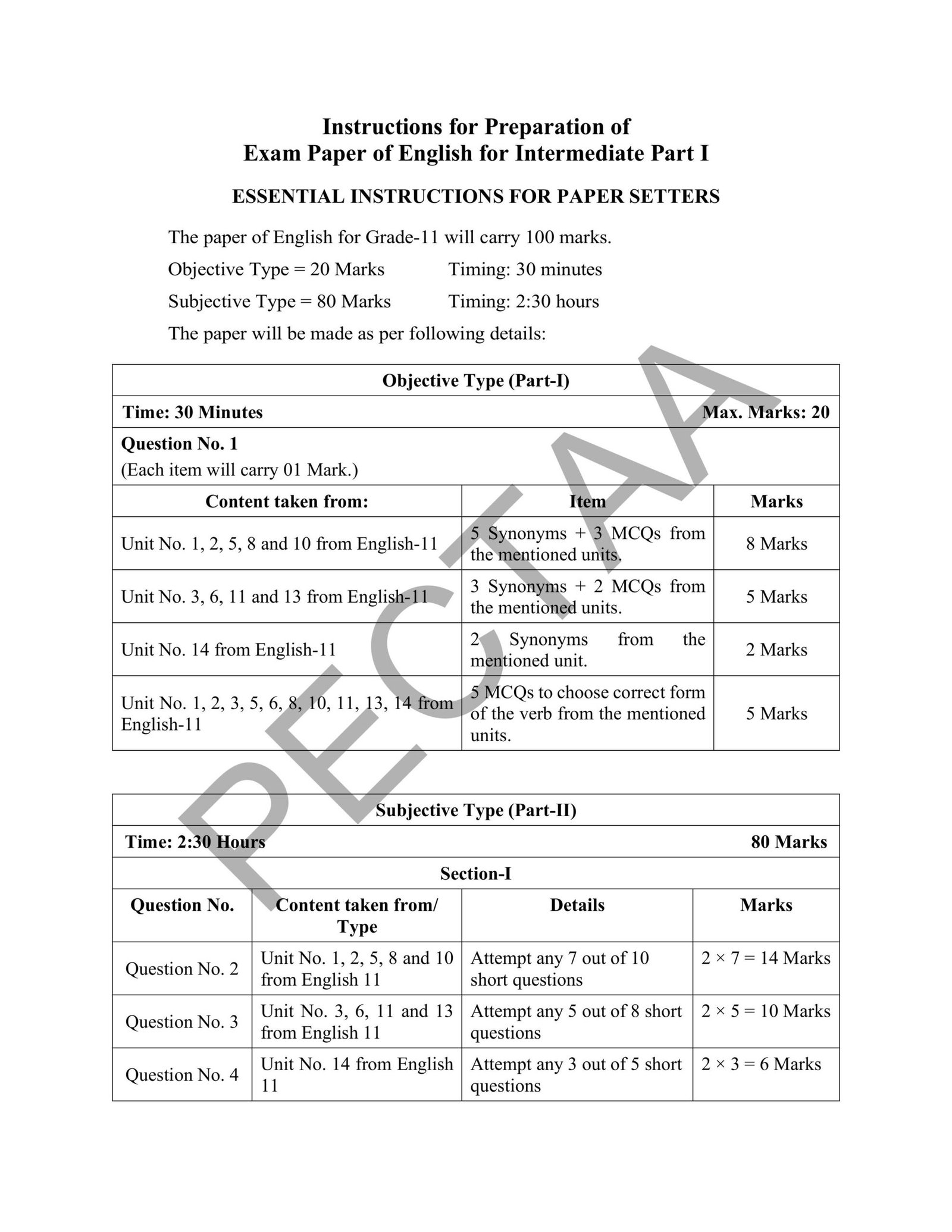
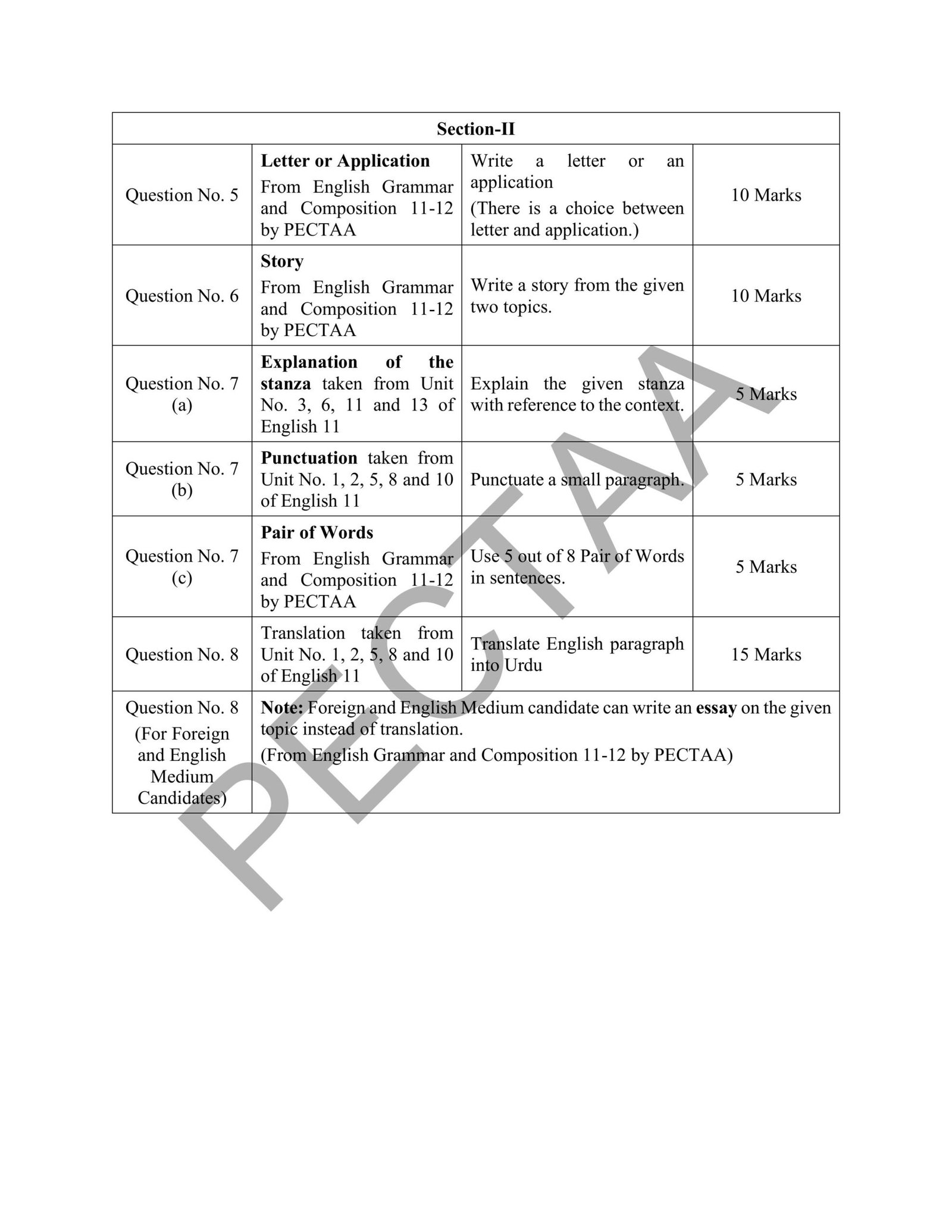
- Exam Pattern: 100 marks (theory), with sections on objective (MCQs on grammar/vocabulary) and subjective (short answers, essays, precis). Questions limited to retained units.

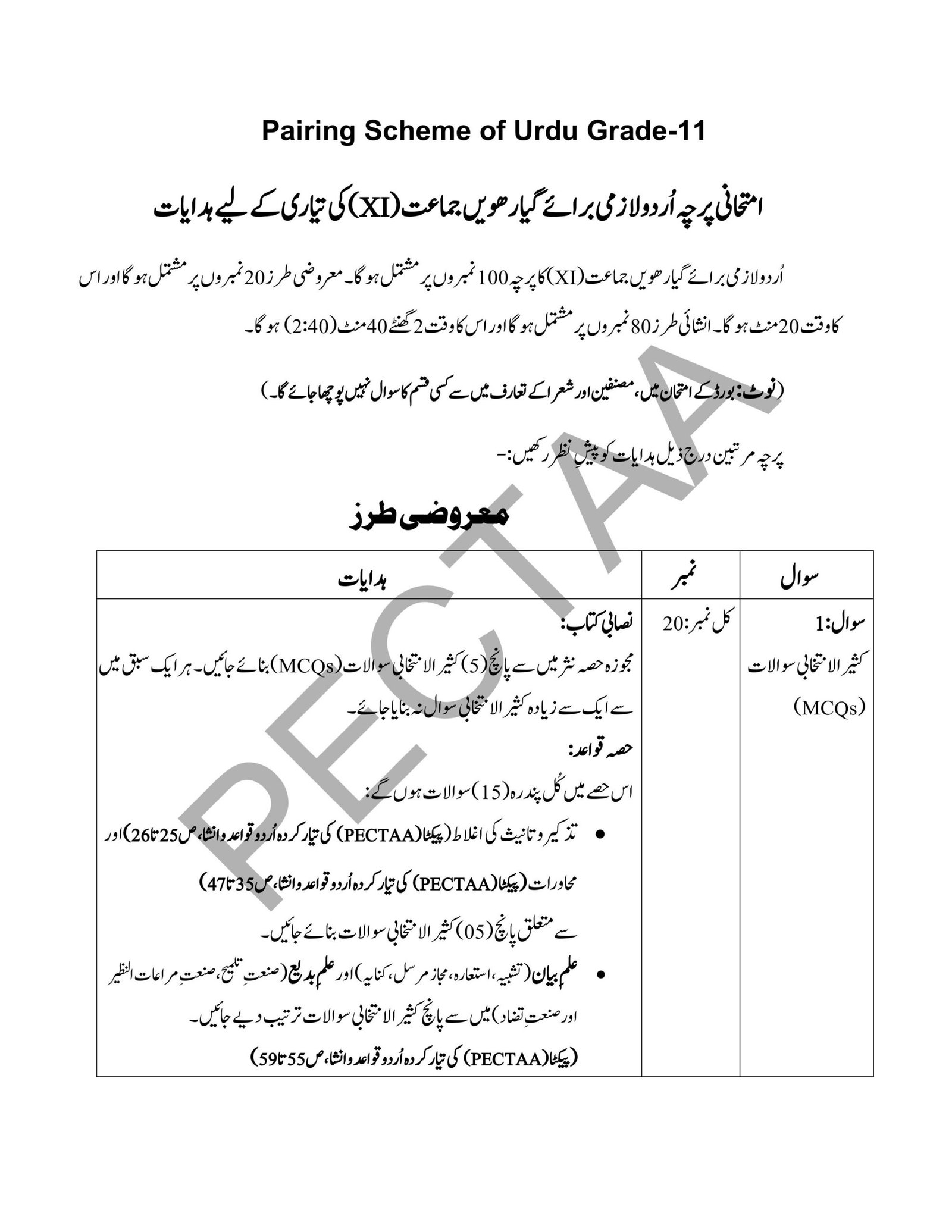
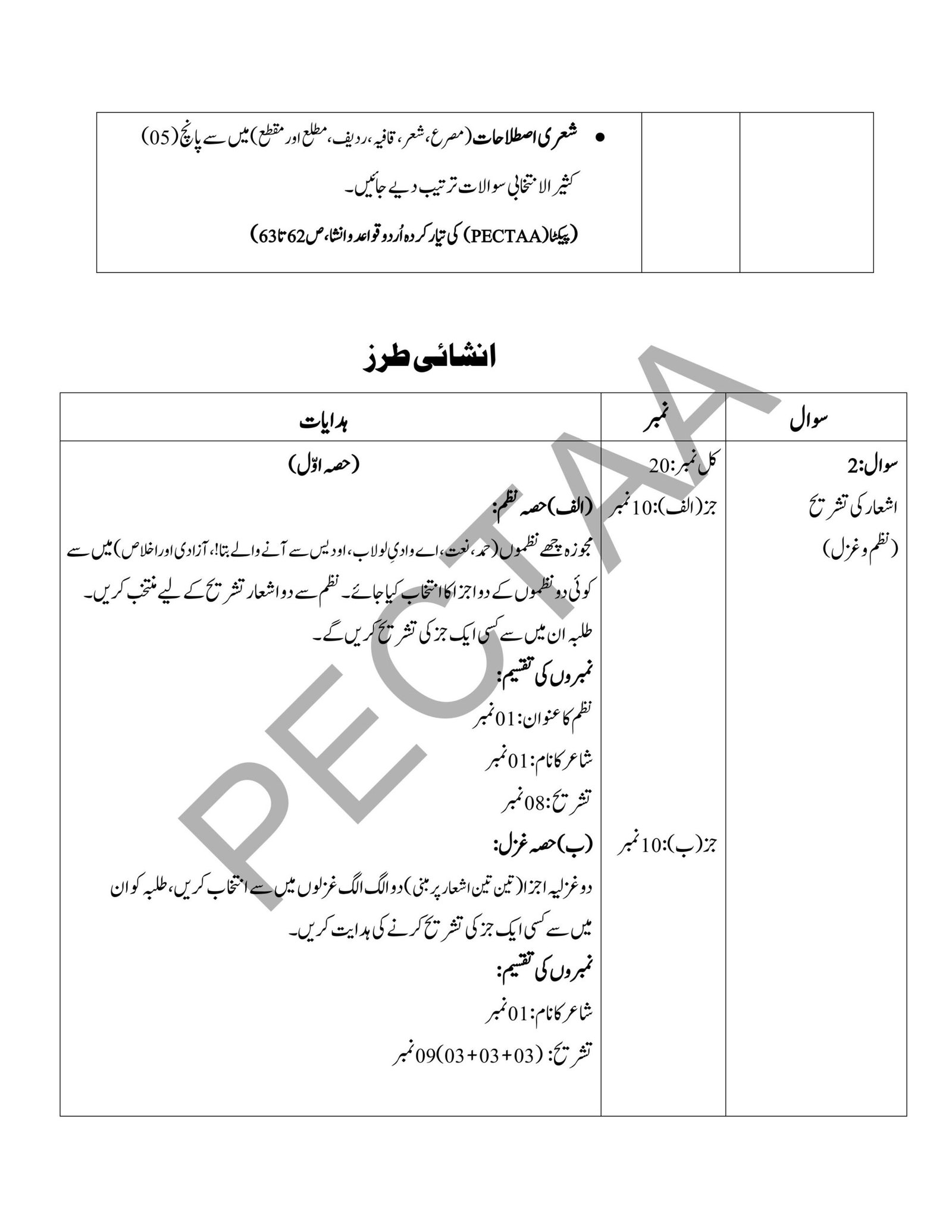
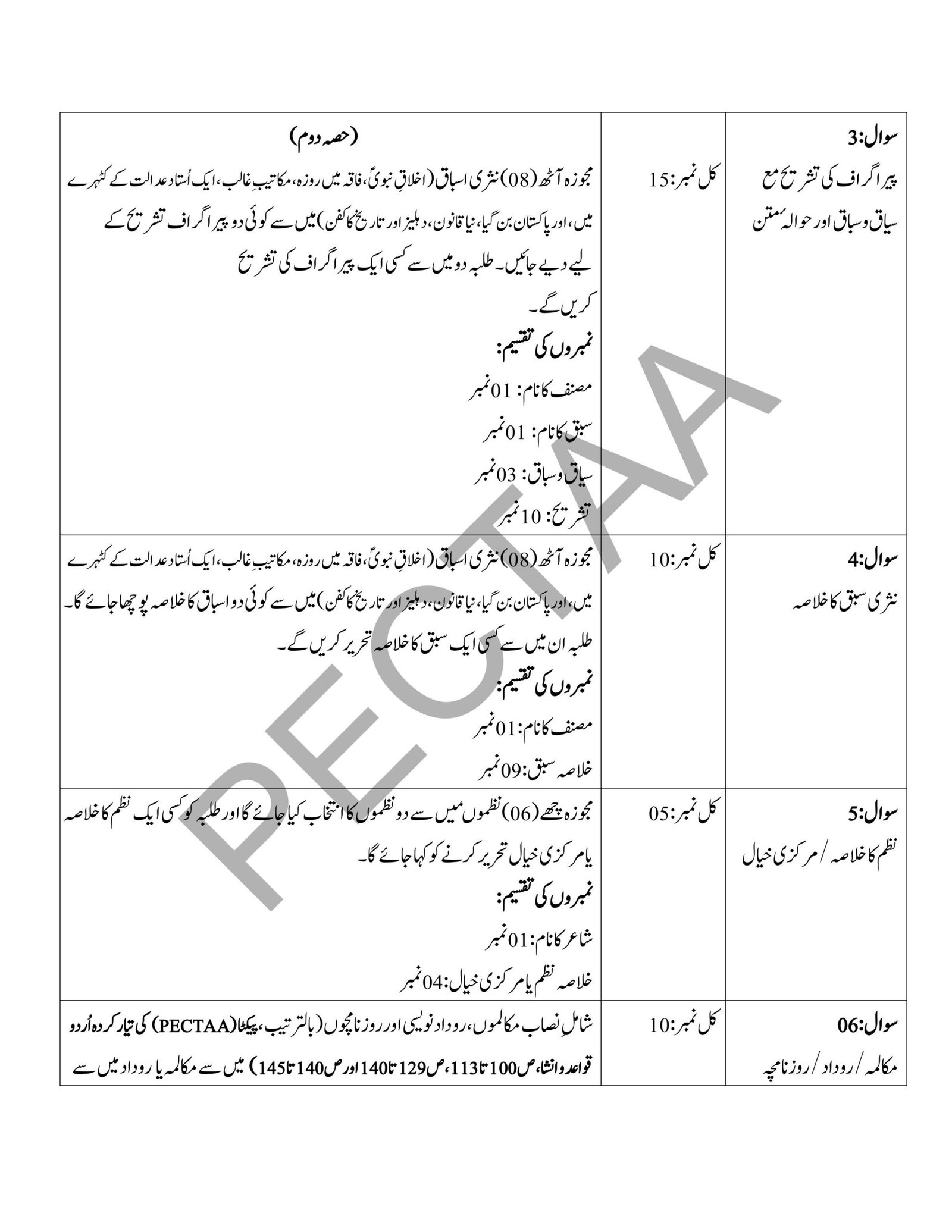
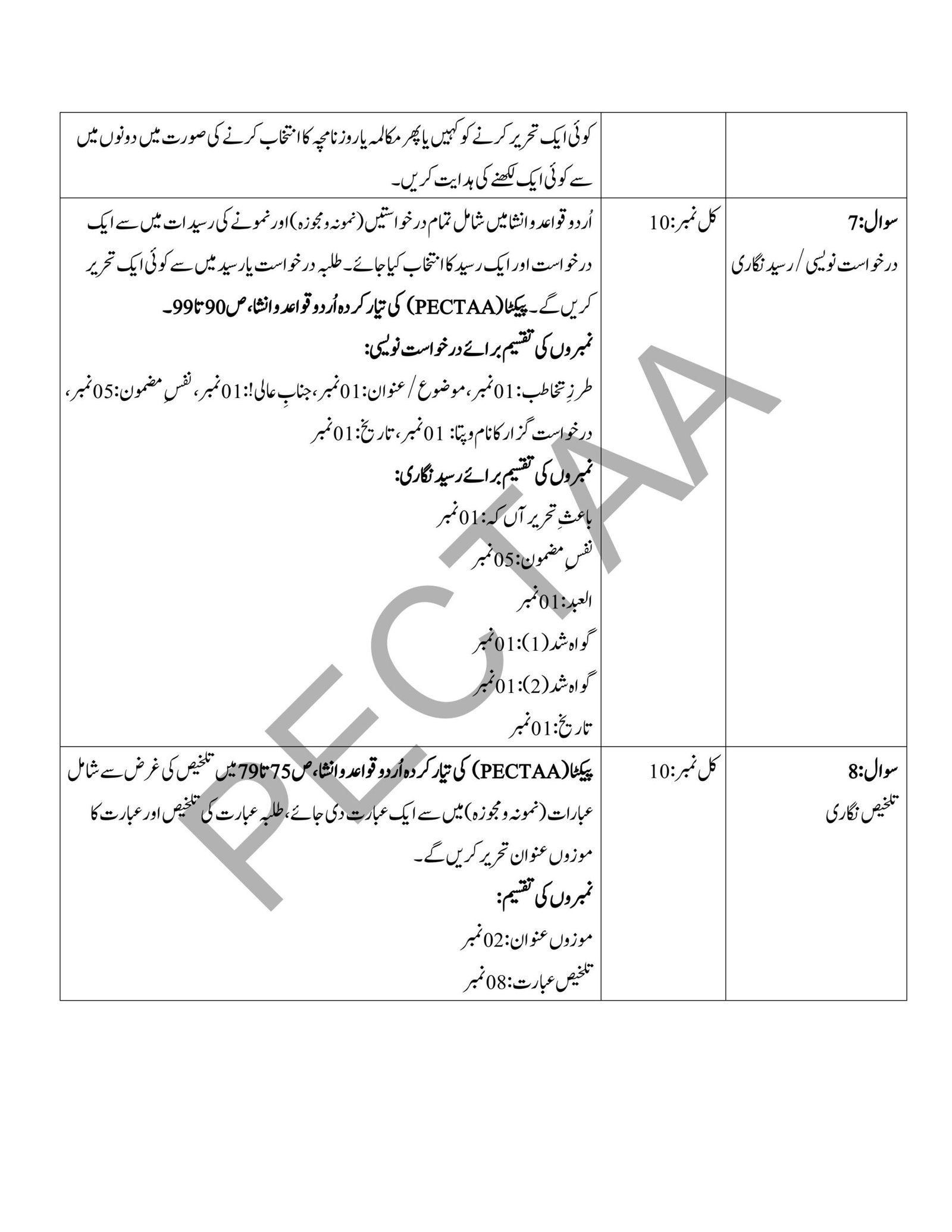
2. Urdu (Compulsory)
Analogous to English, Urdu cuts target particular chapters and exercises to stress language proficiencies.
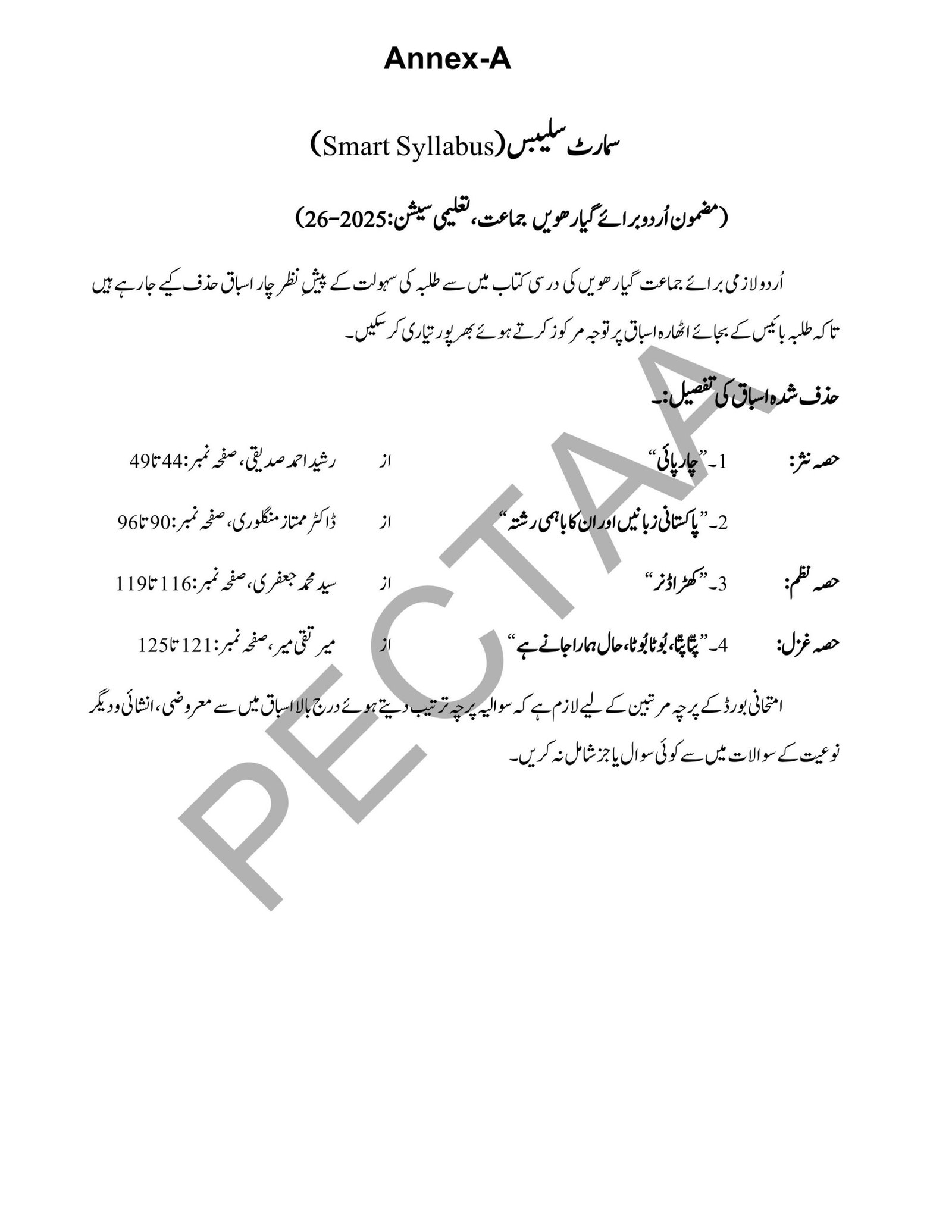
- Excluded Content: Certain prose, poetry, and advanced analyses excluded; core comprehension, grammar, and writing preserved. Listed topics in PDFs are not examinable.
- Exam Pattern: 100 marks, including objective, short answers, and compositions. Schemes balance across included chapters.
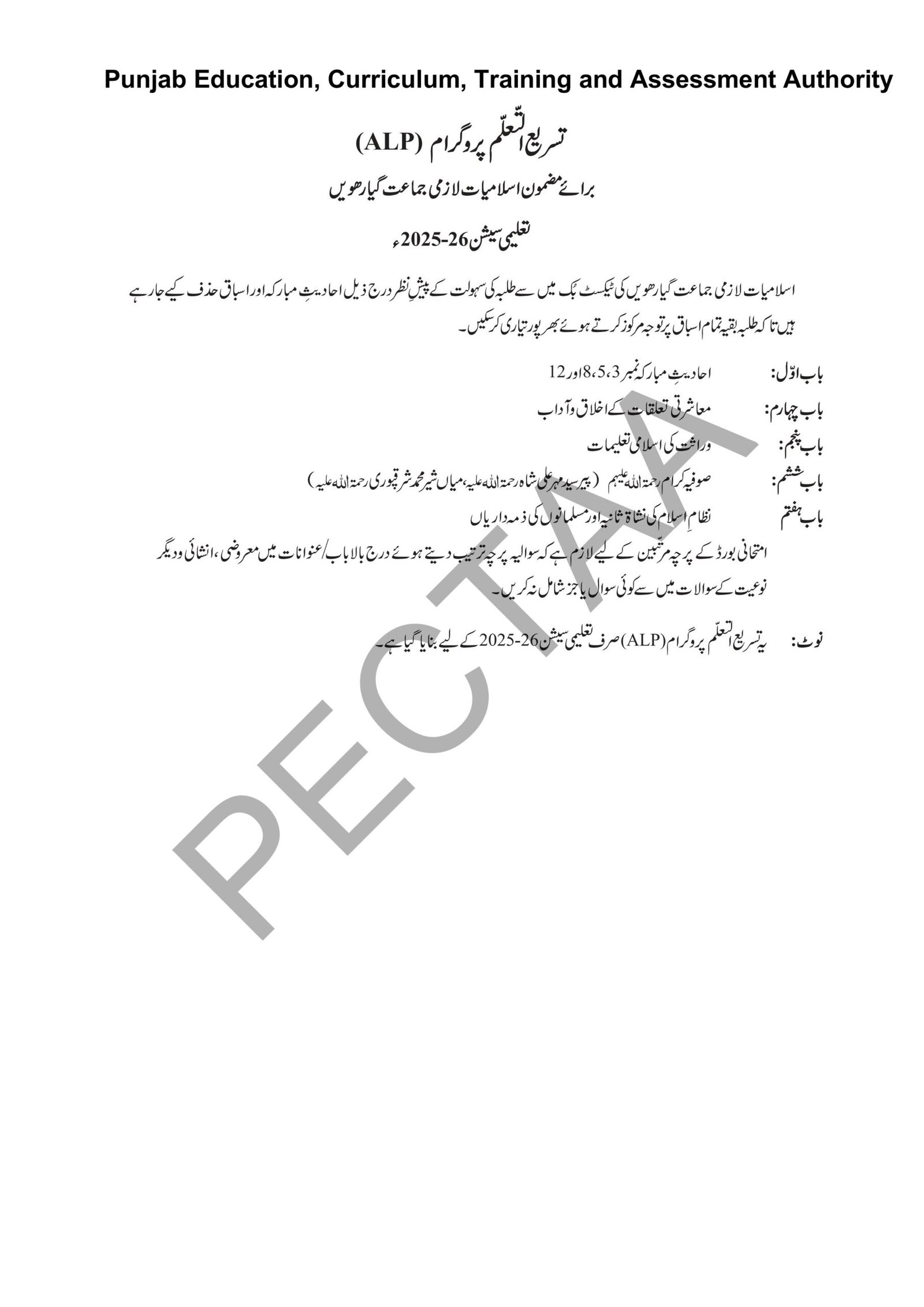
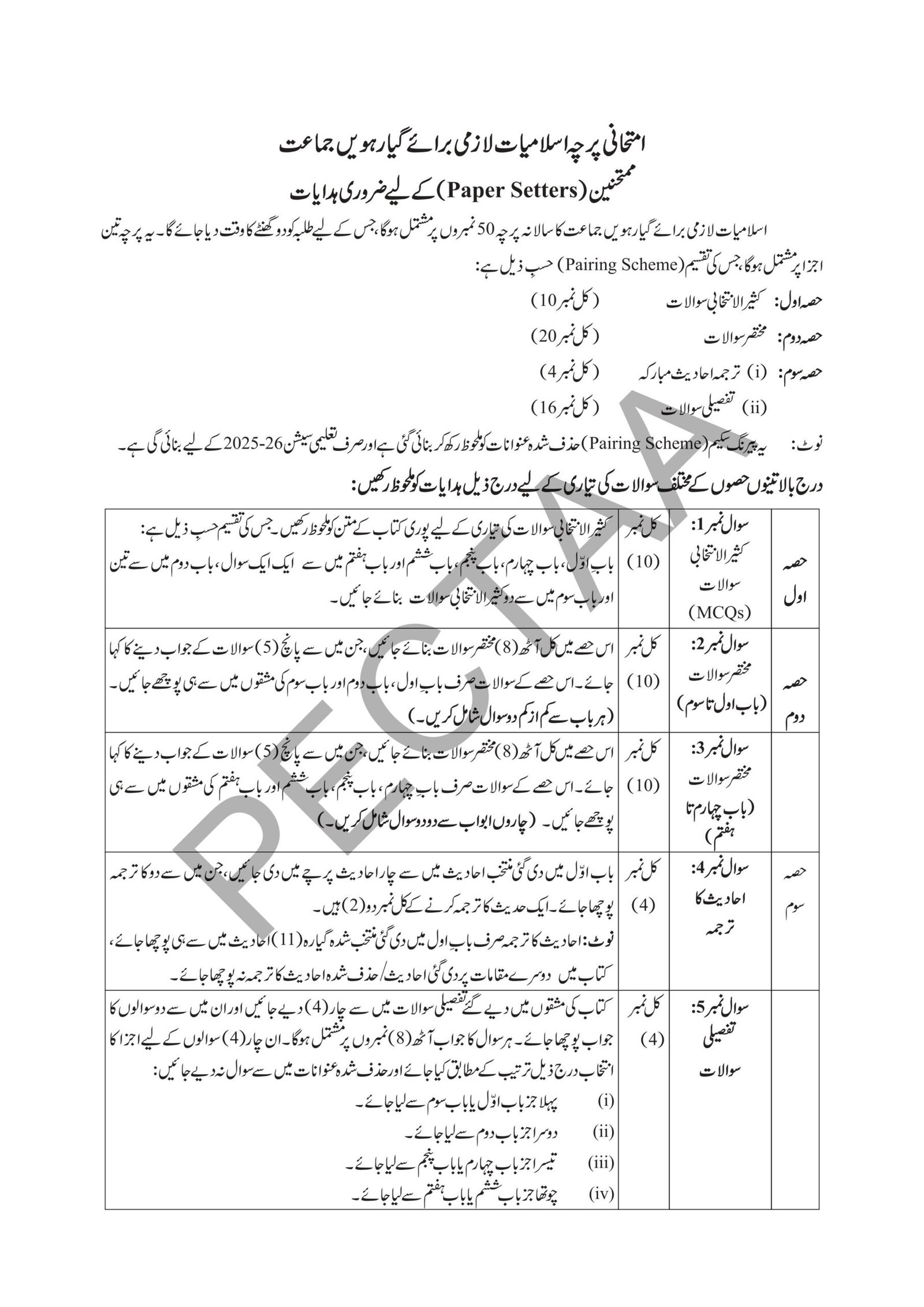
3. Islamiat (Compulsory)
Cuts aim to center on core teachings without compromising religious instruction.
- Excluded Content: Supplementary discussions or minor topics omitted; essential surahs and hadiths intact.
- Exam Pattern: 50 marks (objective and subjective), emphasizing translations, explanations, and questions from key areas.
4. Mathematics
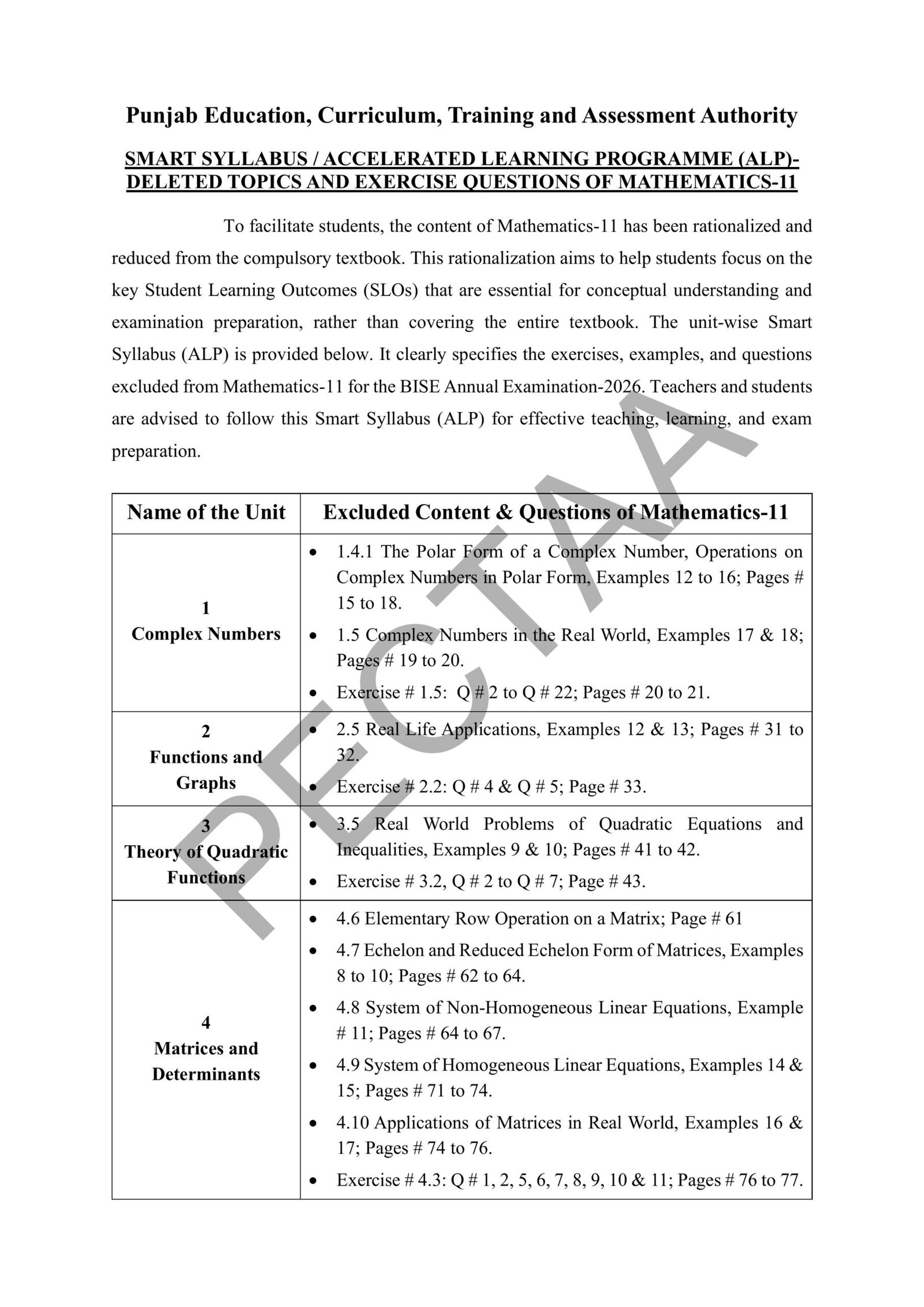
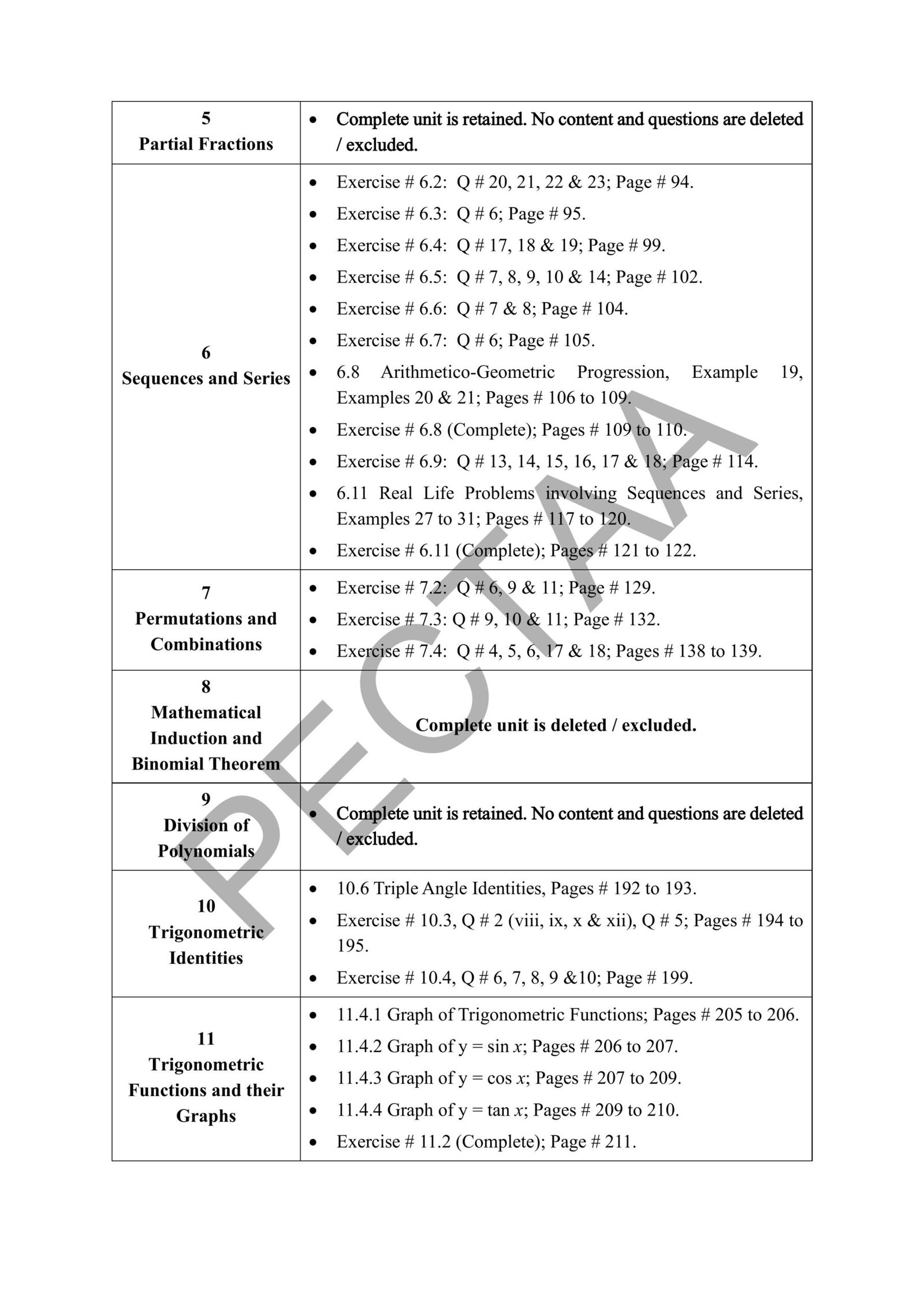
Substantial omissions in advanced applications to prioritize foundational problem-solving.
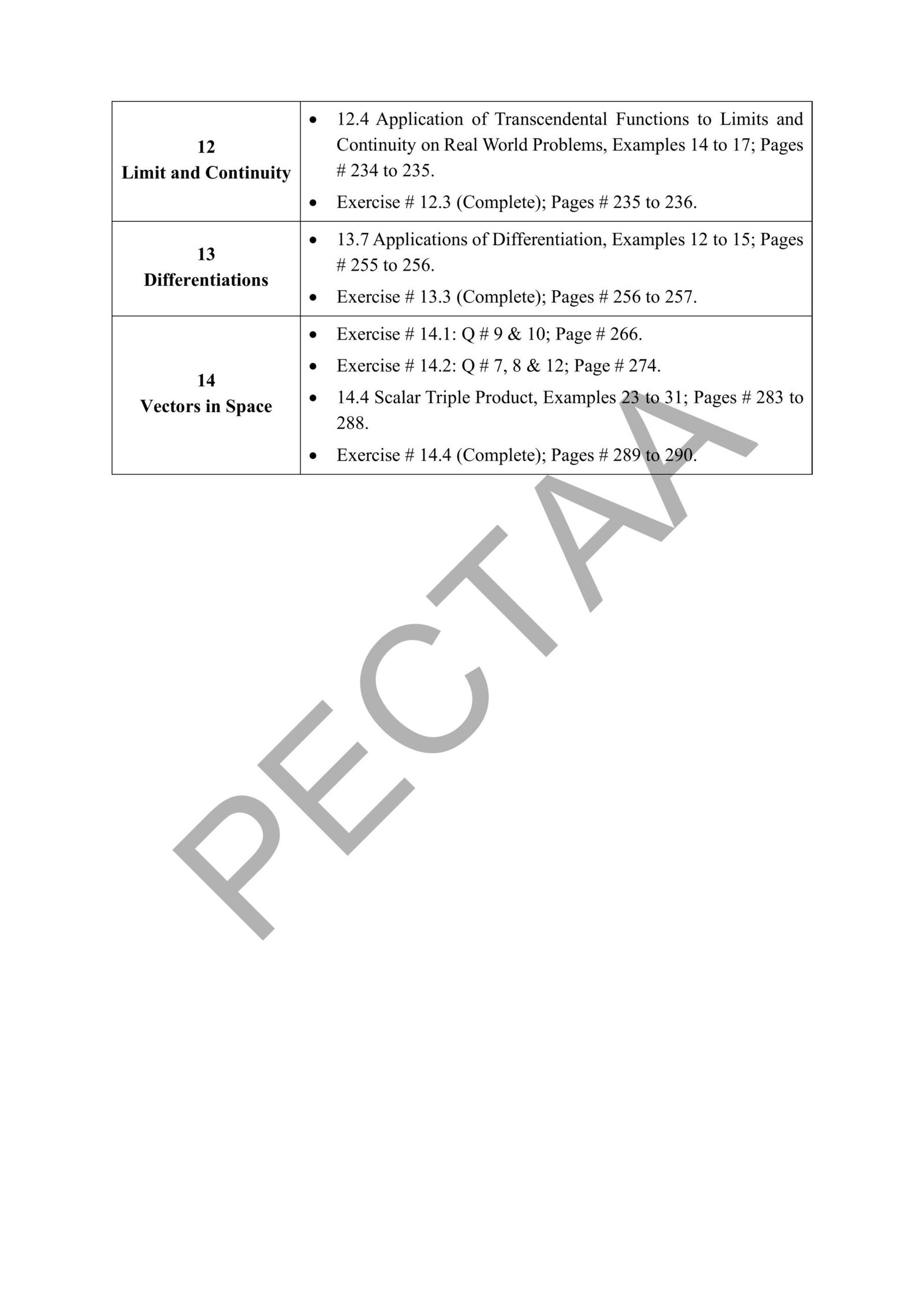
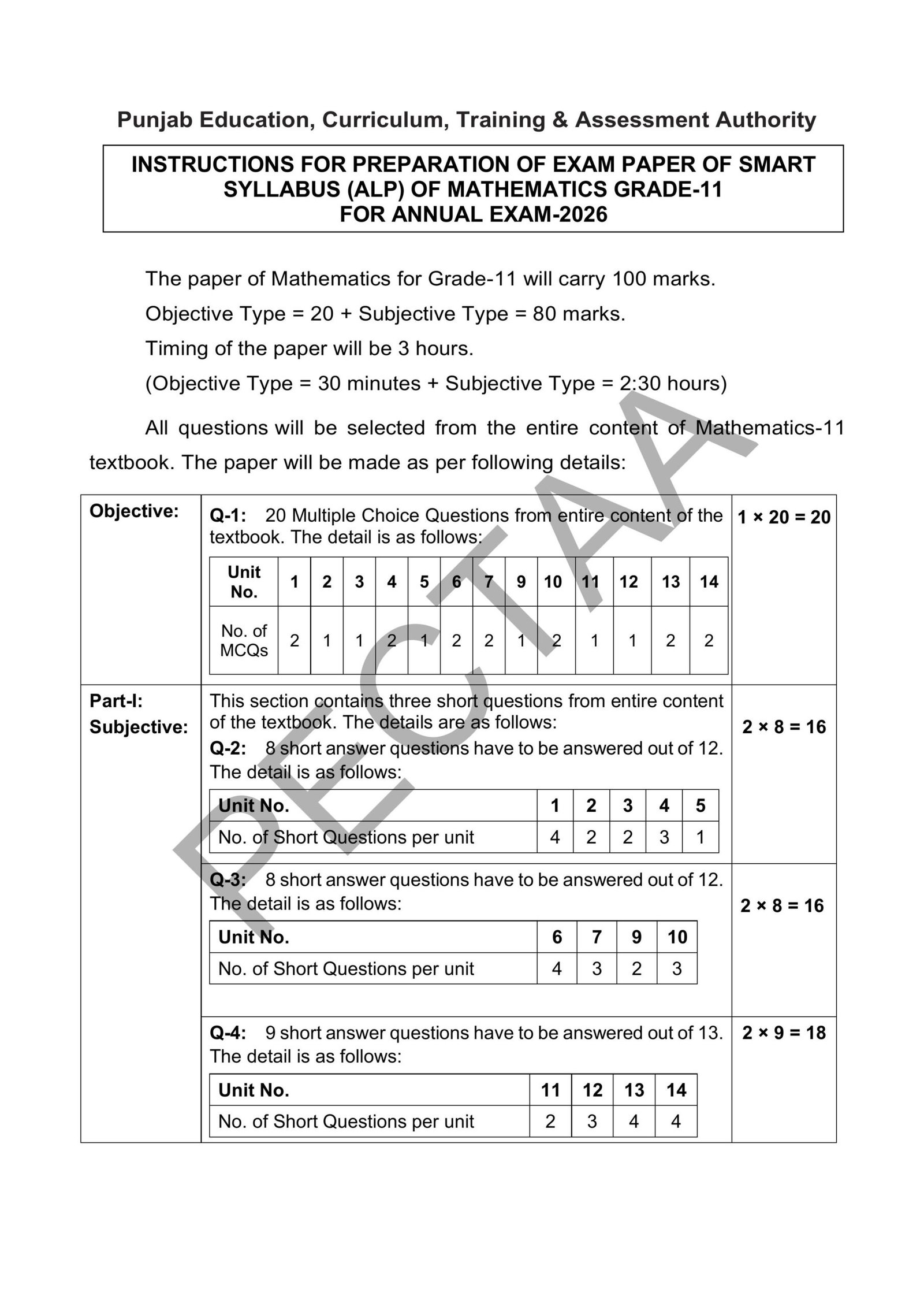
- Excluded Content: Parts of units on complex numbers, sequences, trigonometry, and others; specific applications and reviews skipped.
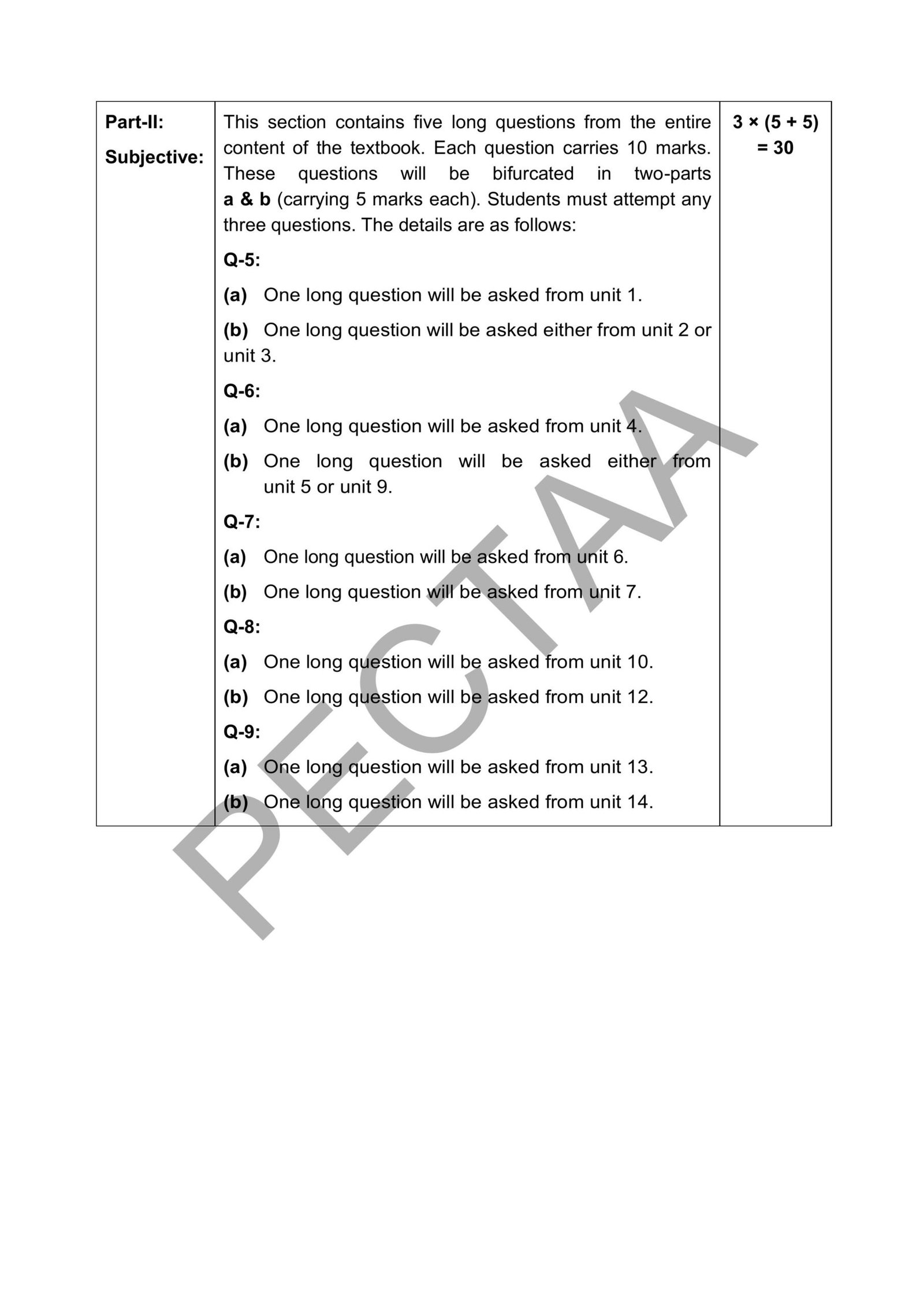
- Exam Pattern: 100 marks (objective and subjective). MCQs and short/long questions from remaining chapters.
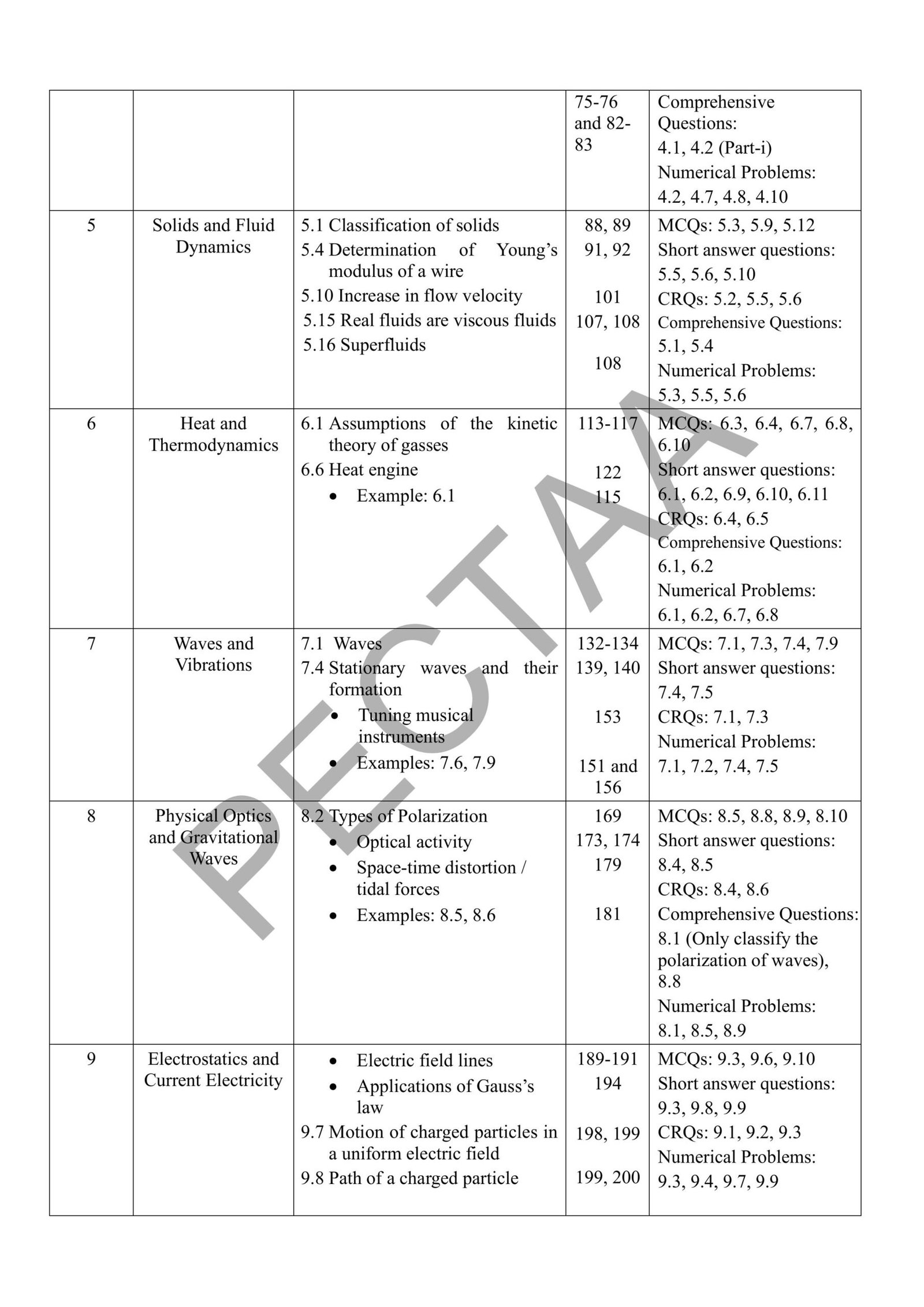
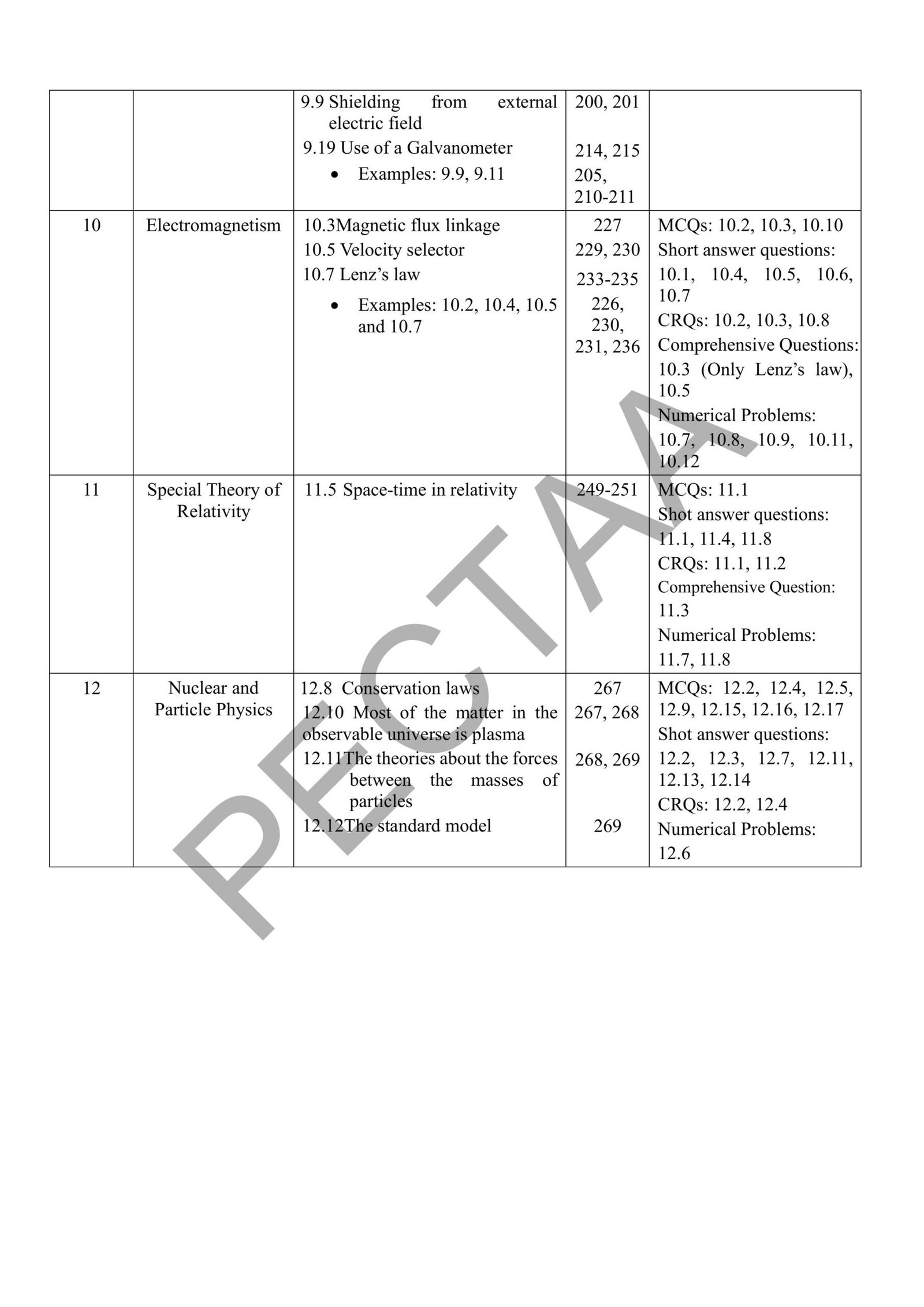
5. Physics
Emphasis moves to basic principles, omitting some applications and advanced ideas.
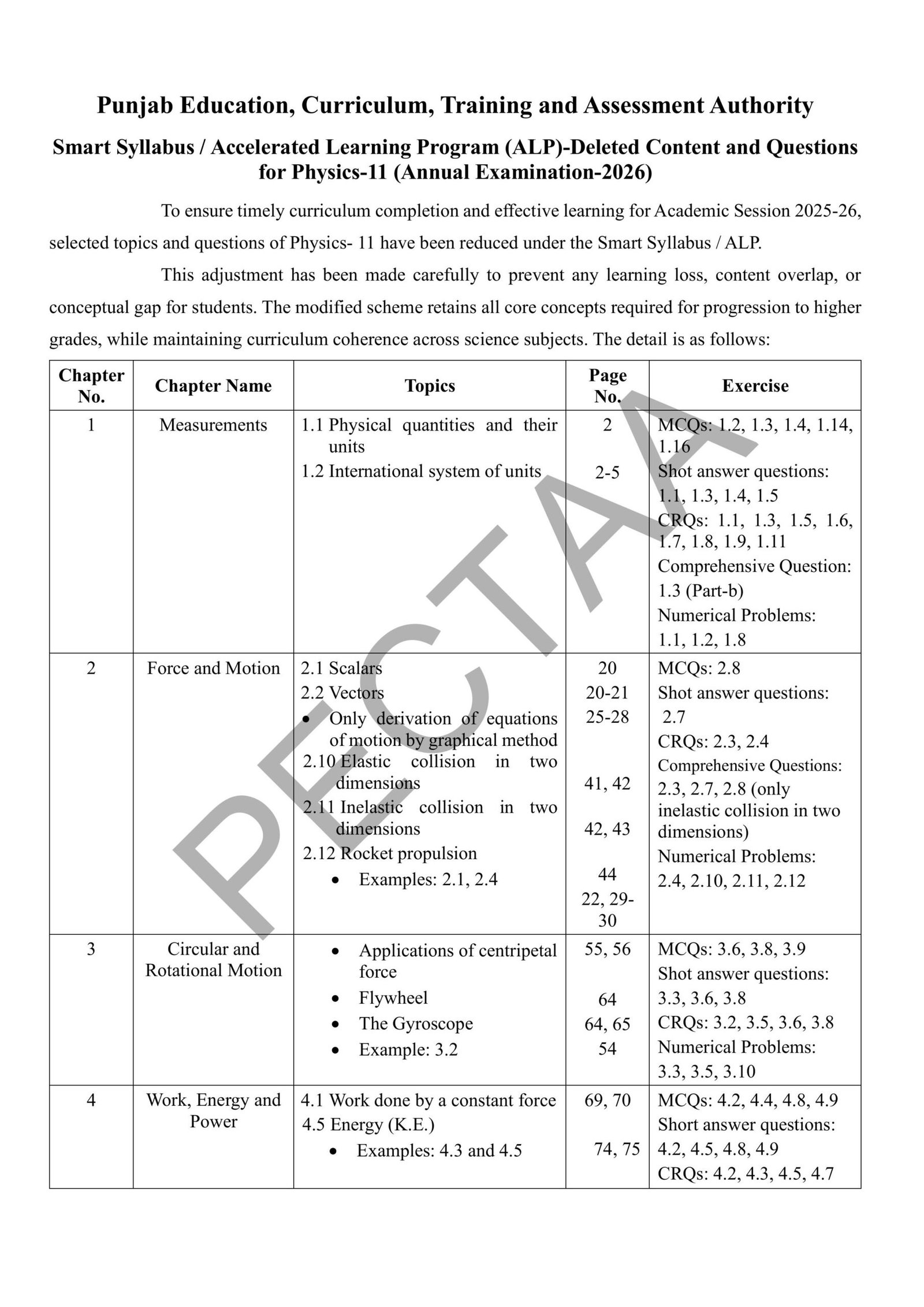
- Excluded Content: Details on measurements, fluids, thermodynamics, and interdisciplinary aspects; reductions as per ALP for session 2025-26.
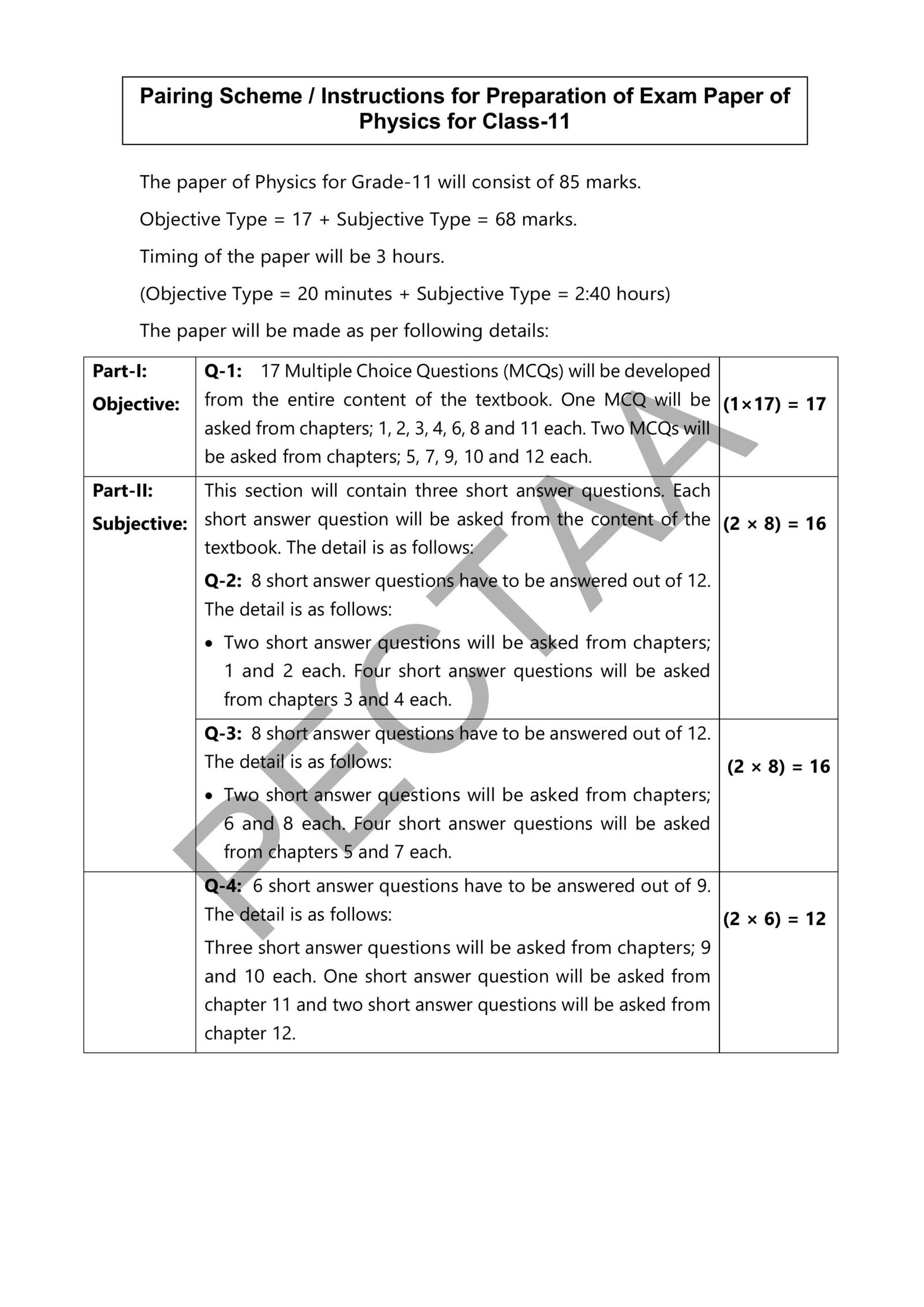
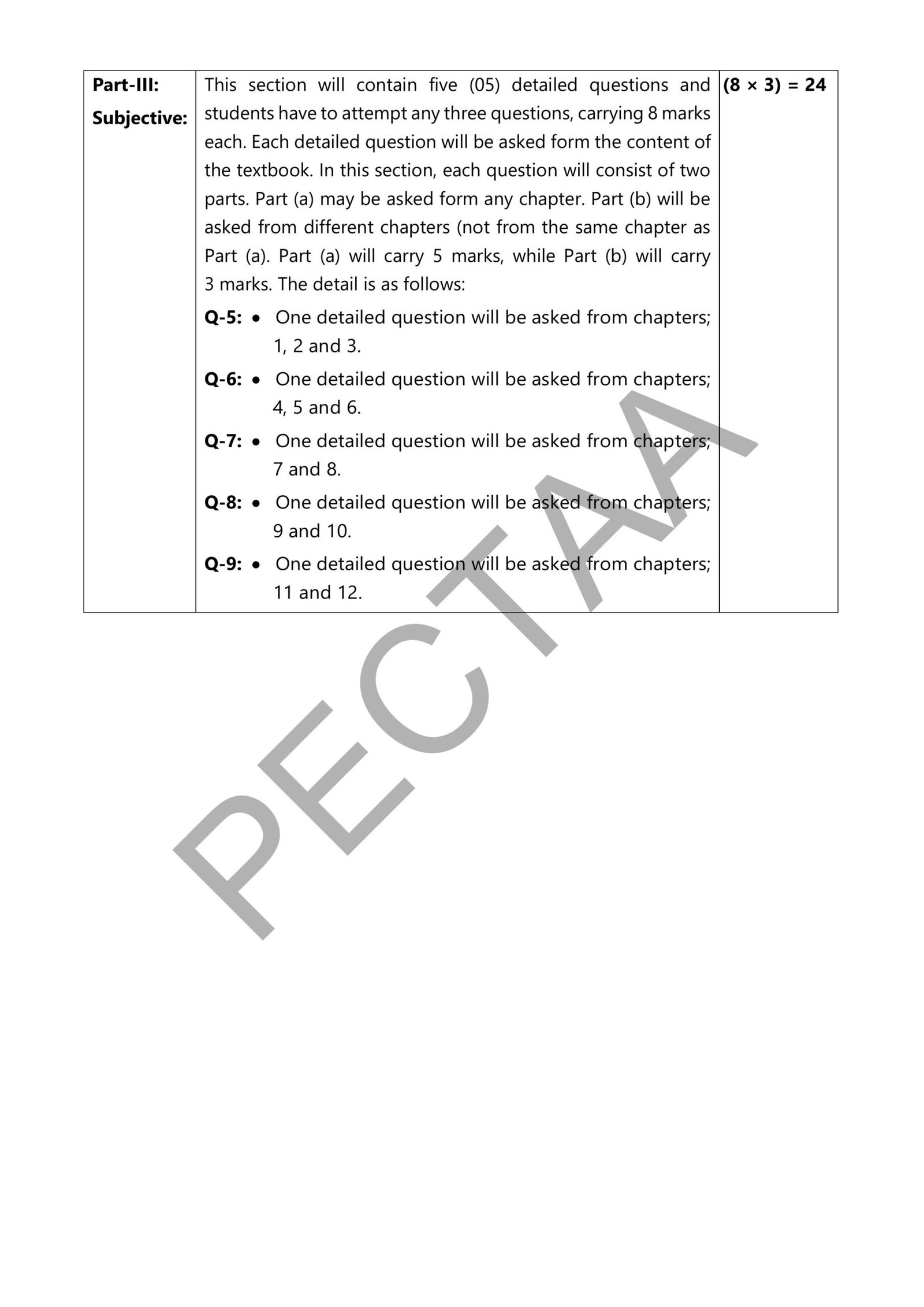
- Exam Pattern: 85 marks theory (objective/subjective), focusing on numericals and concepts; practicals separate.
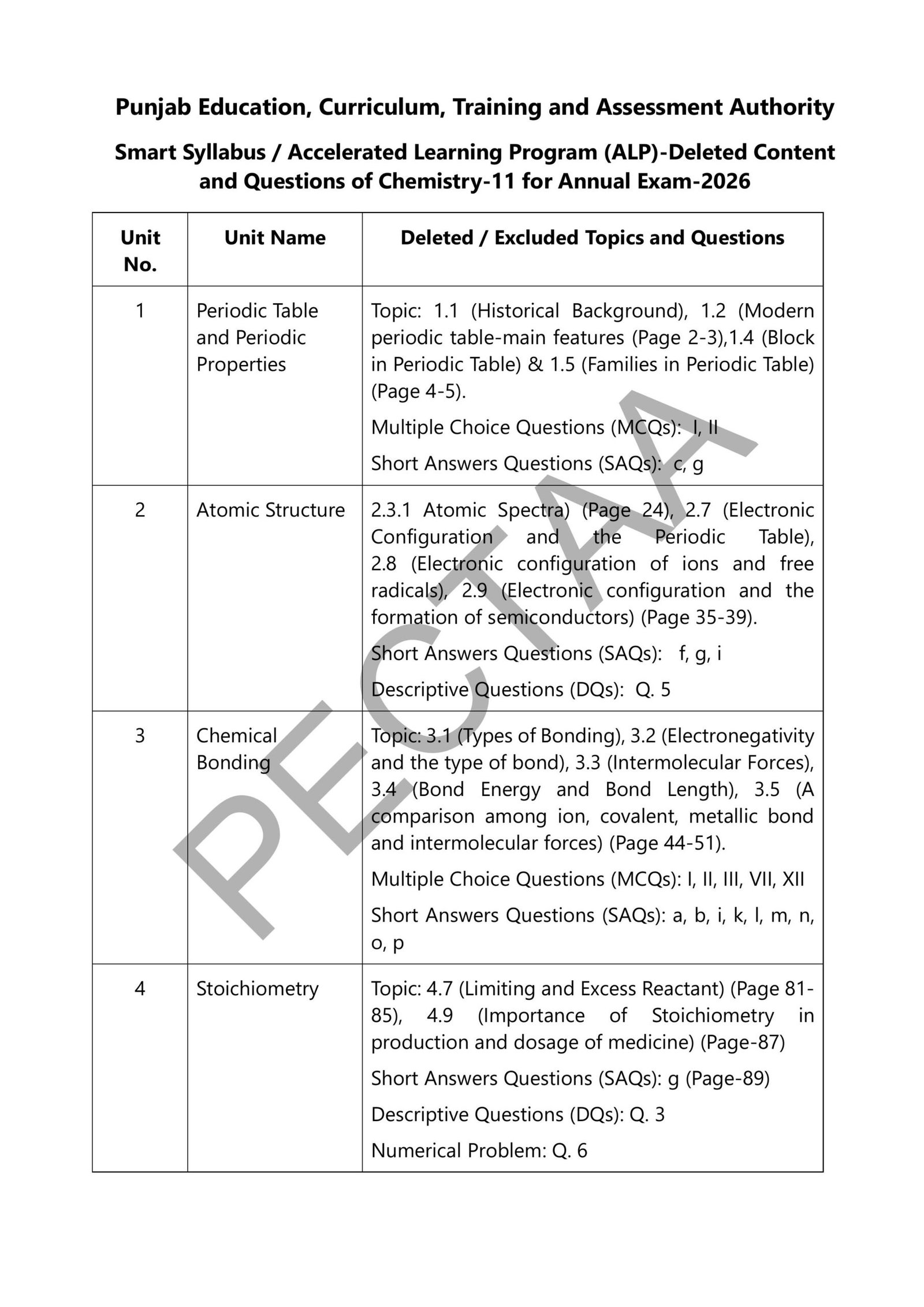
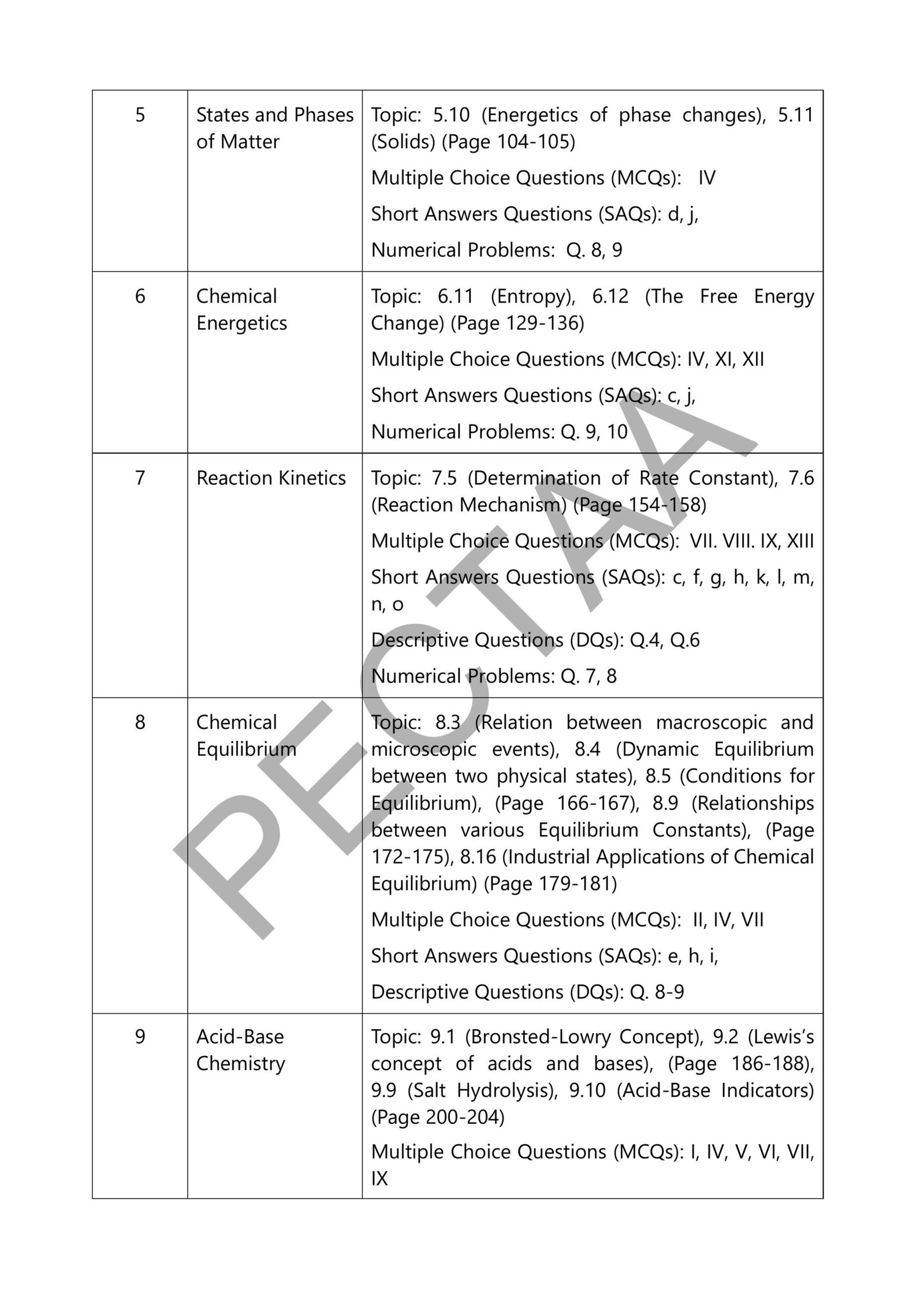
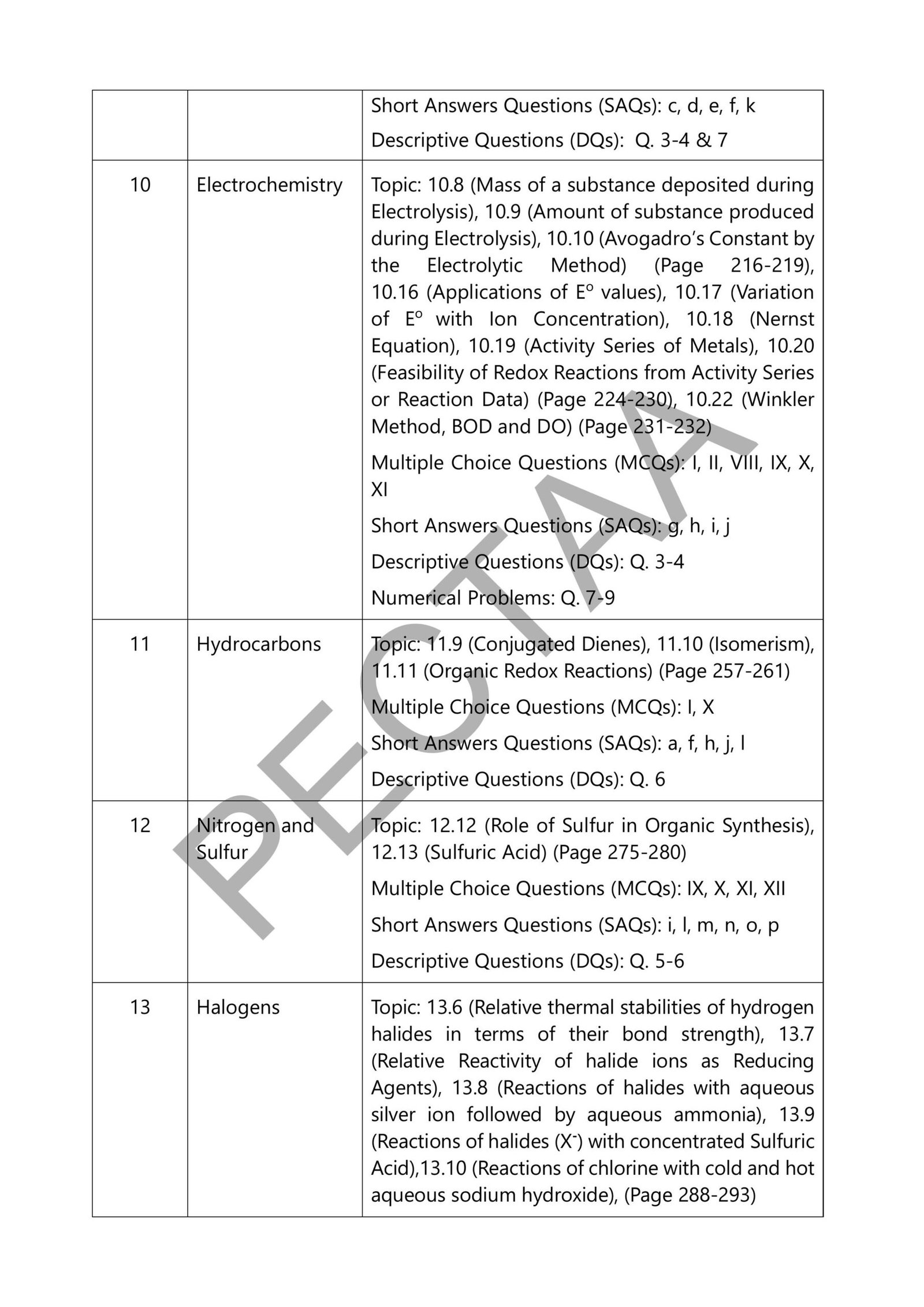
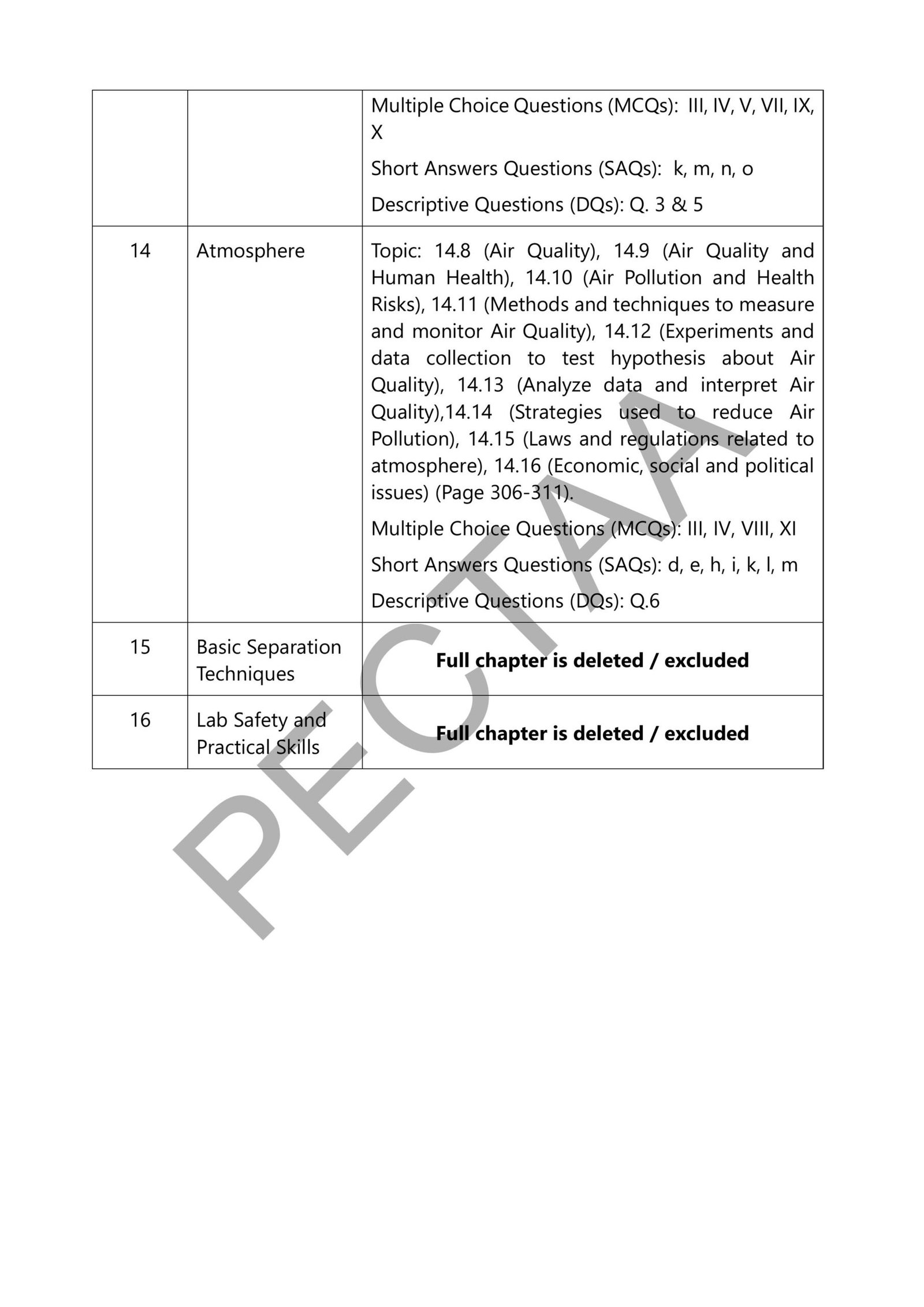
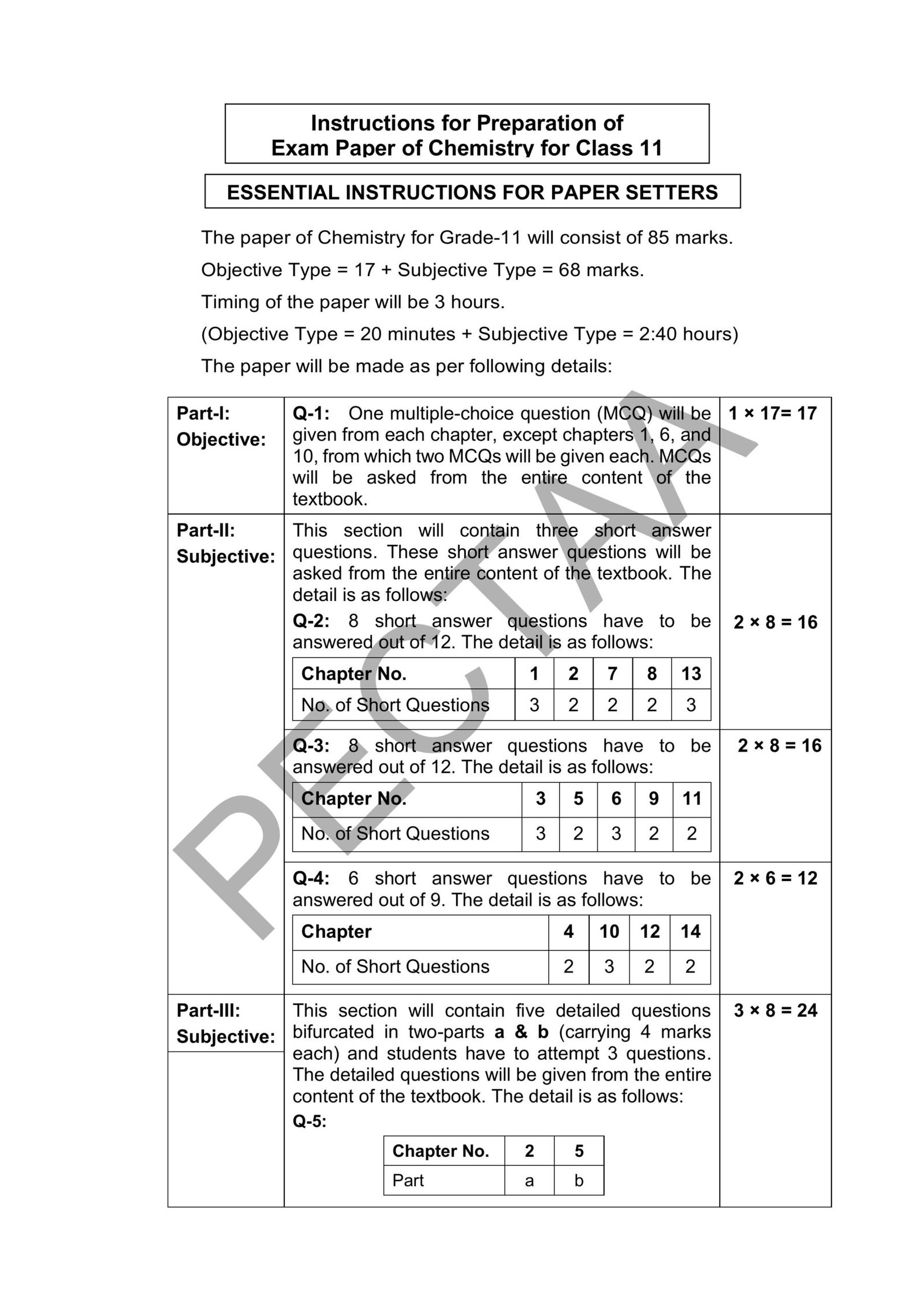
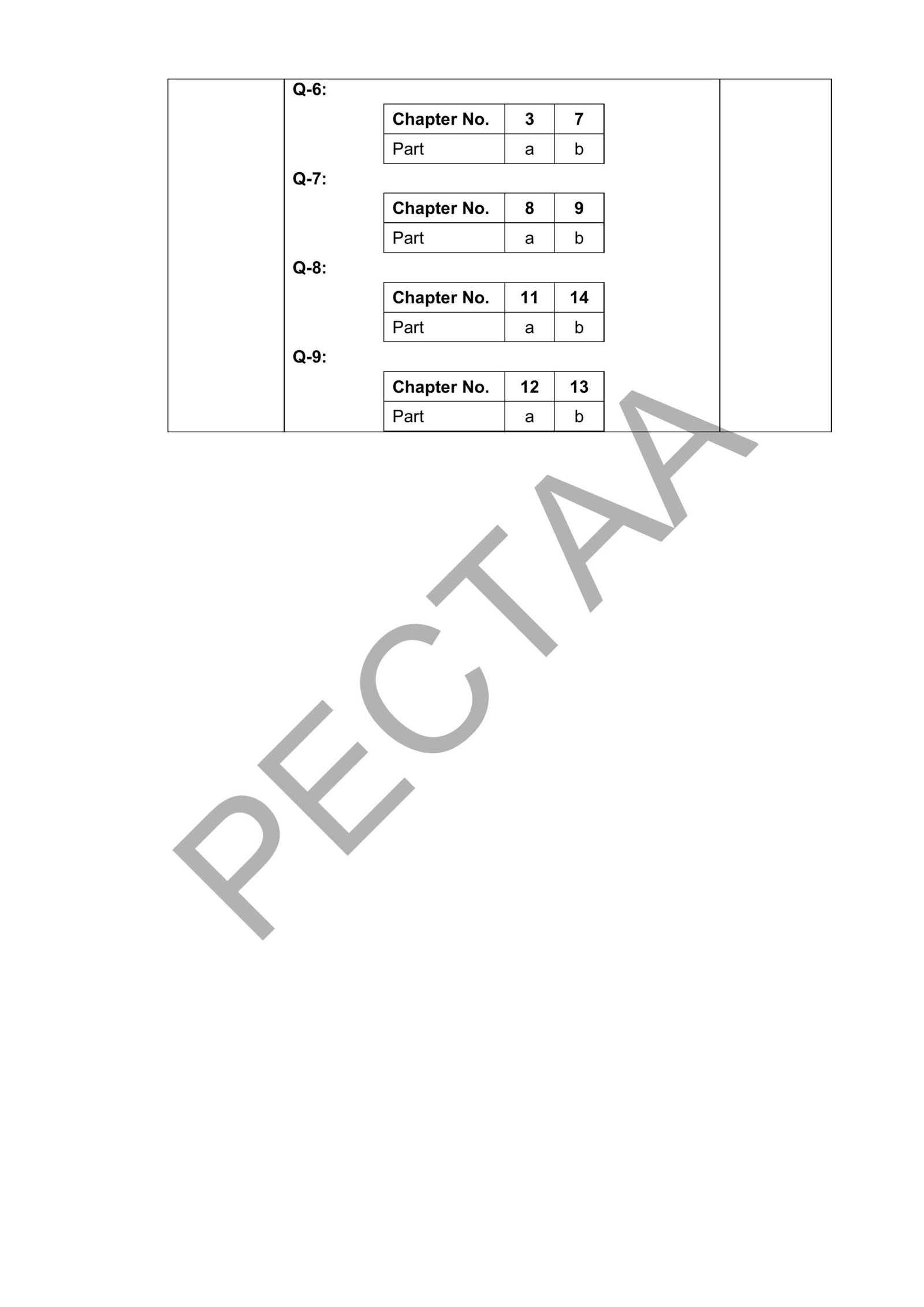
6. Chemistry
Cuts address complex areas to increase accessibility.
- Excluded Content: Advanced bonding, energetics, equilibria, hydrocarbons, and lab chapters; specific exclusions in ALP PDFs.
- Exam Pattern: 85 marks theory, covering theory and practical questions.
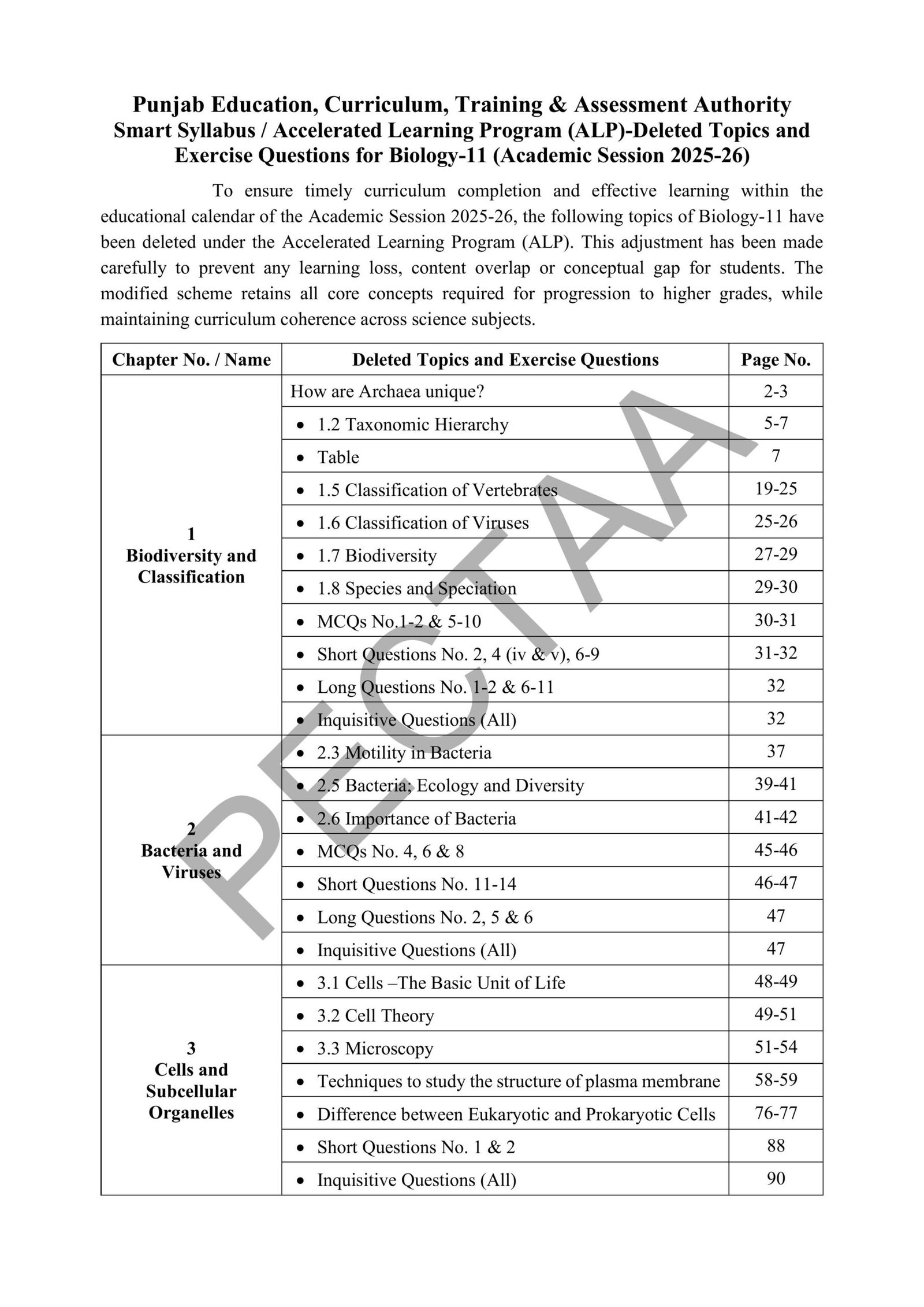
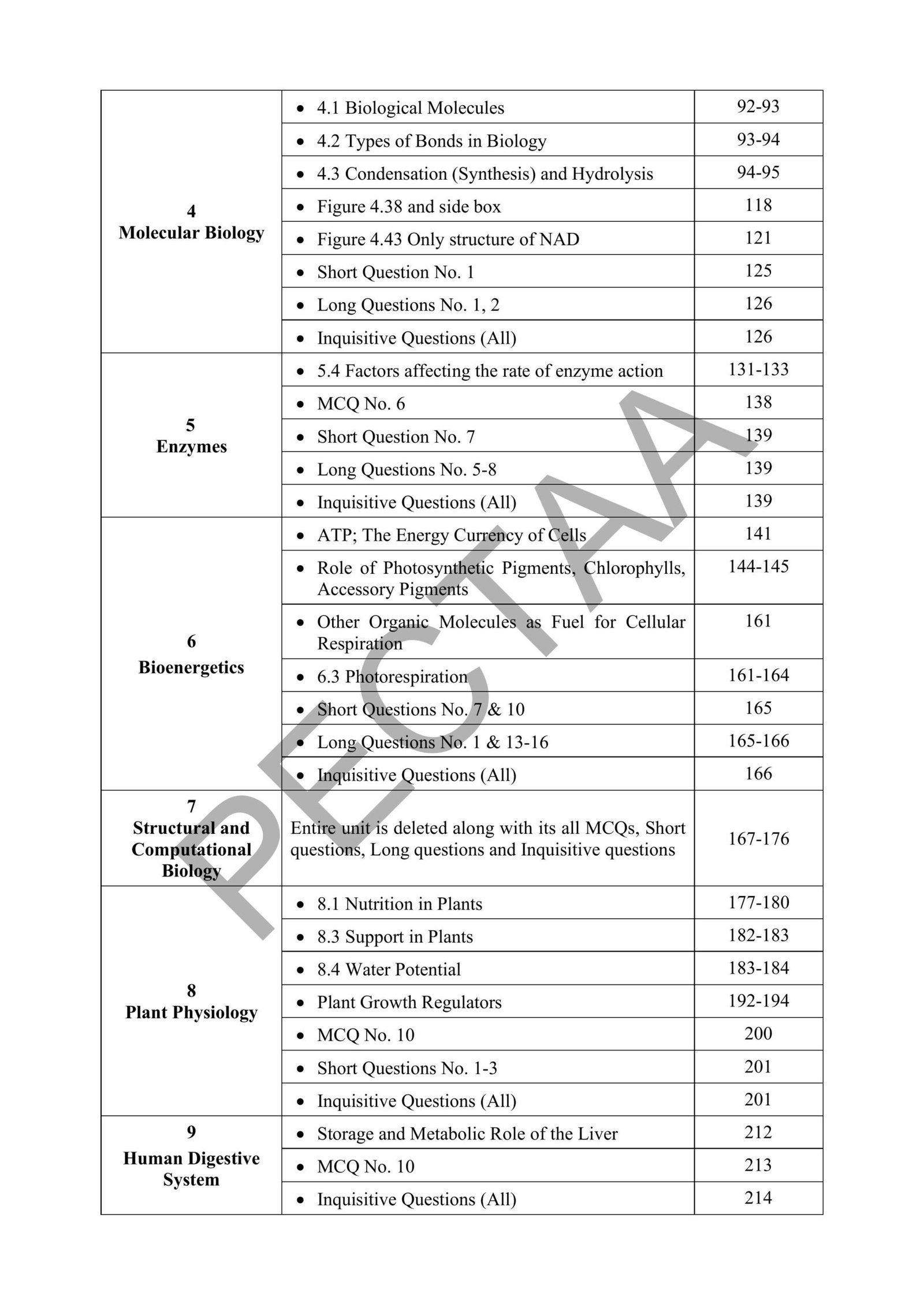
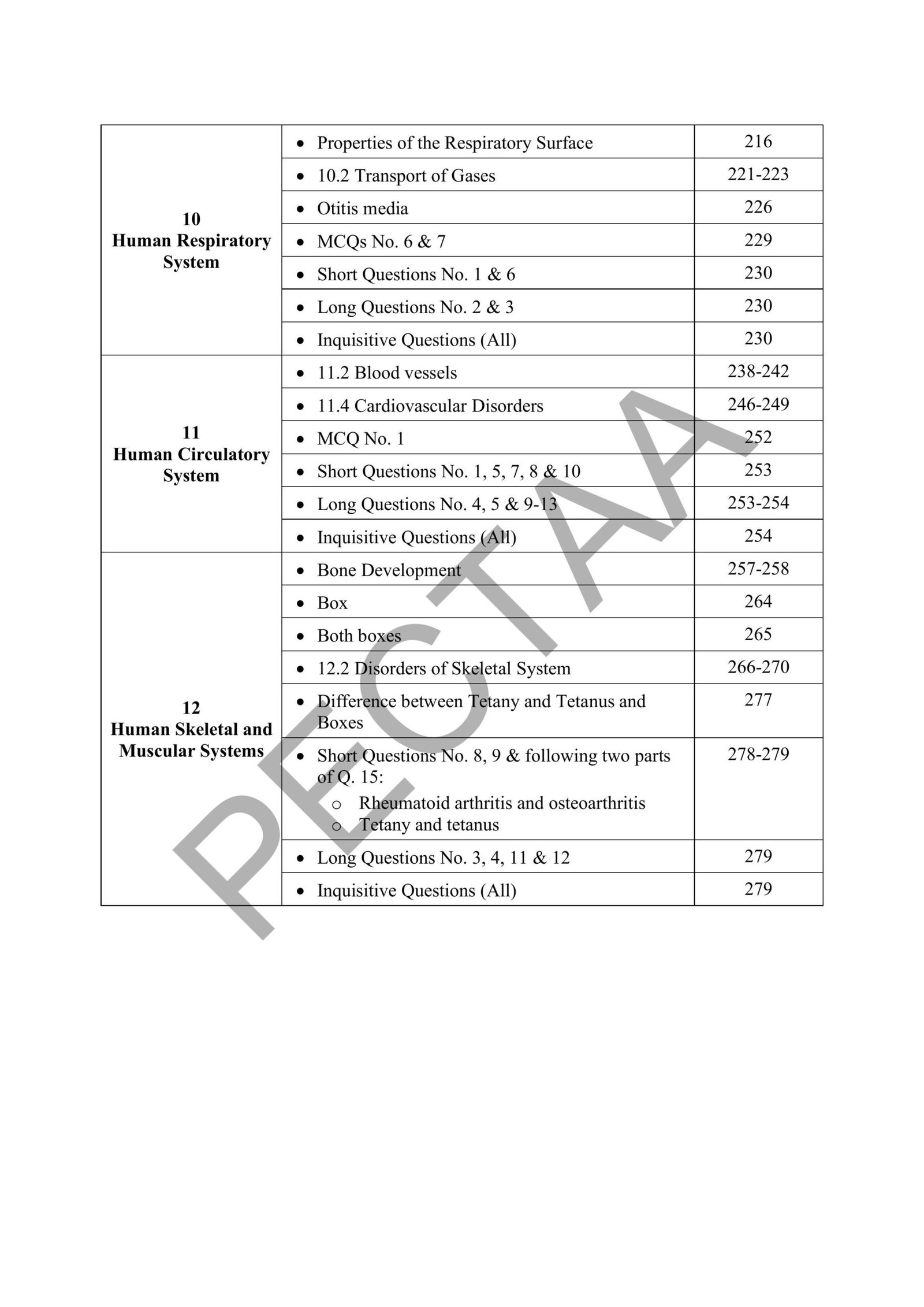
7. Biology
Syllabus prunes extra details to underscore biological mechanisms.
- Excluded Content: Certain biomolecule aspects, plant roles, and biostatistics; full list in official documents.
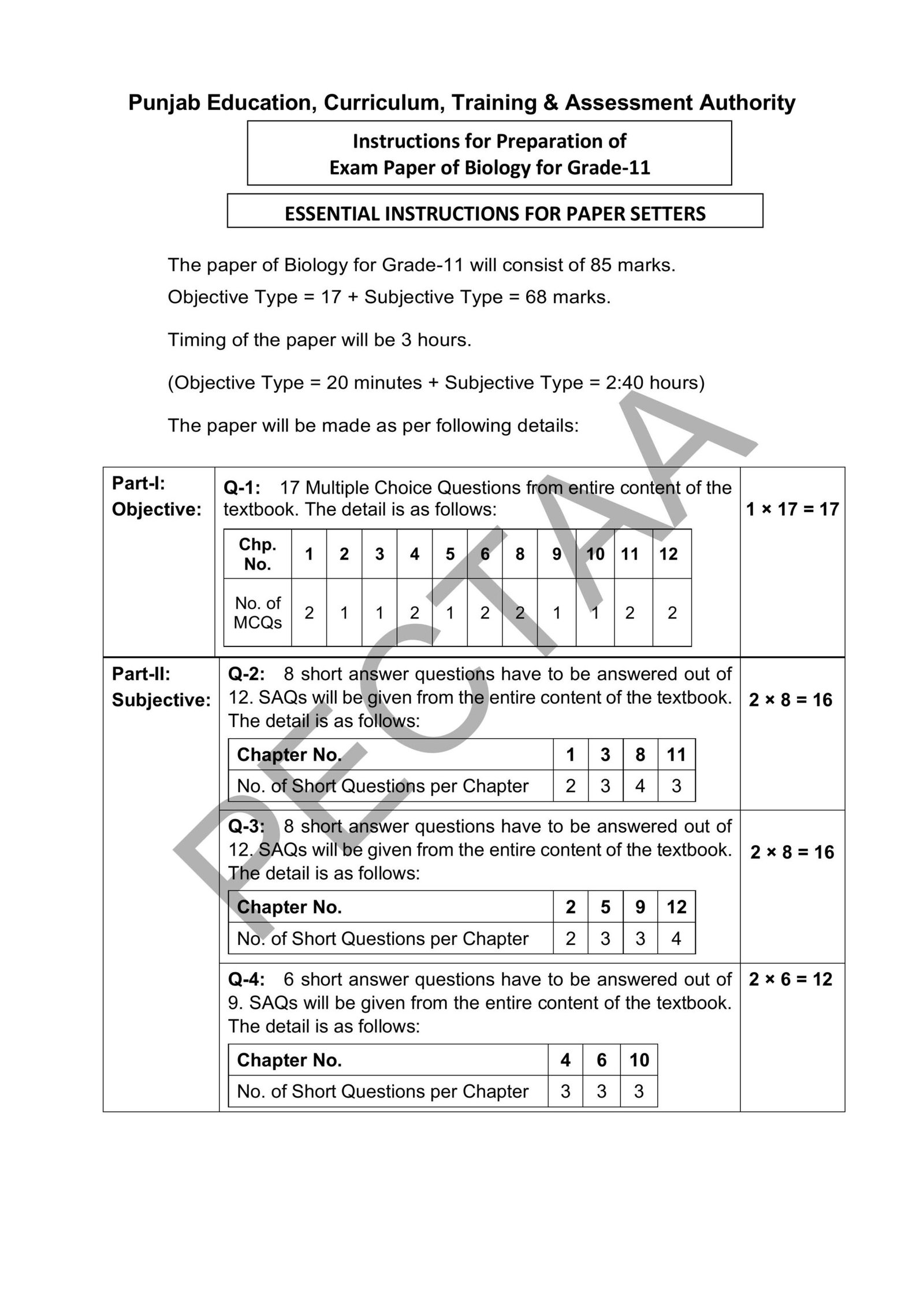
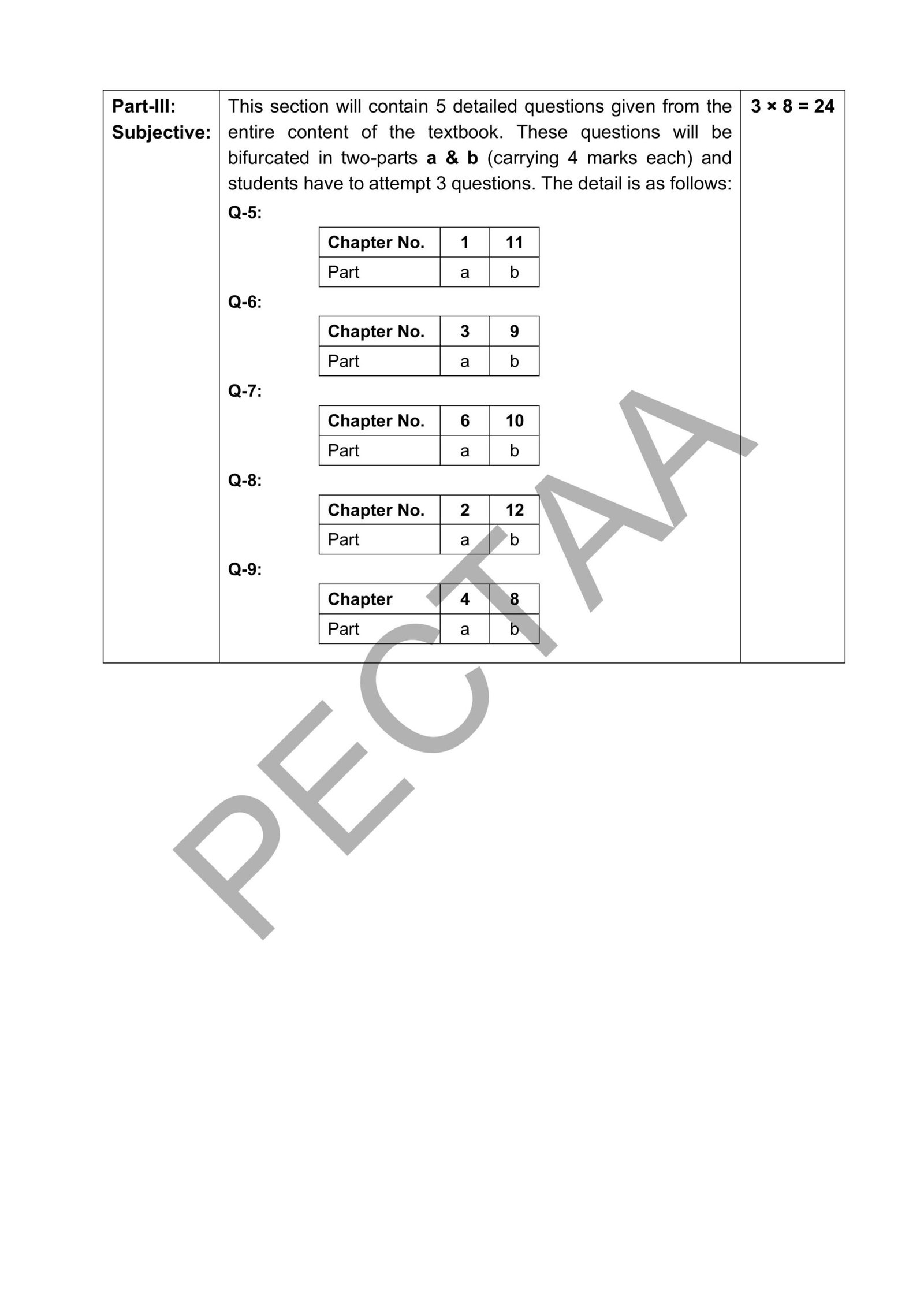
- Exam Pattern: 85 marks theory, including diagrams and explanations; practicals in Part II.
8. Computer Science & Entrepreneurship
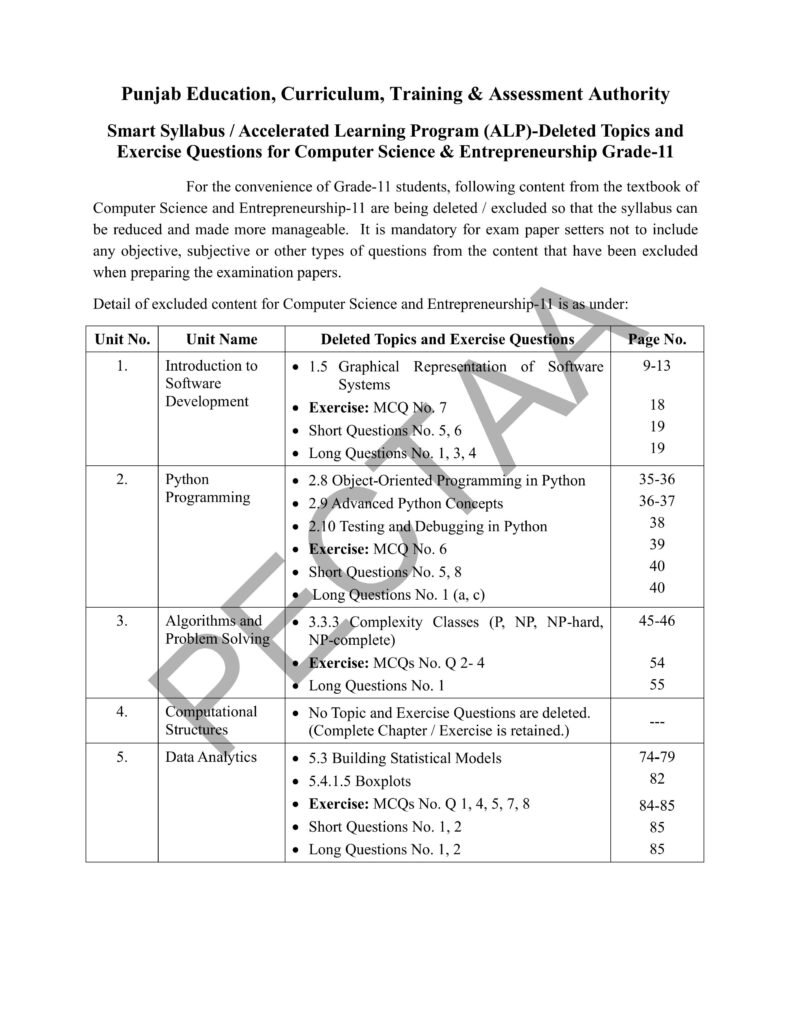
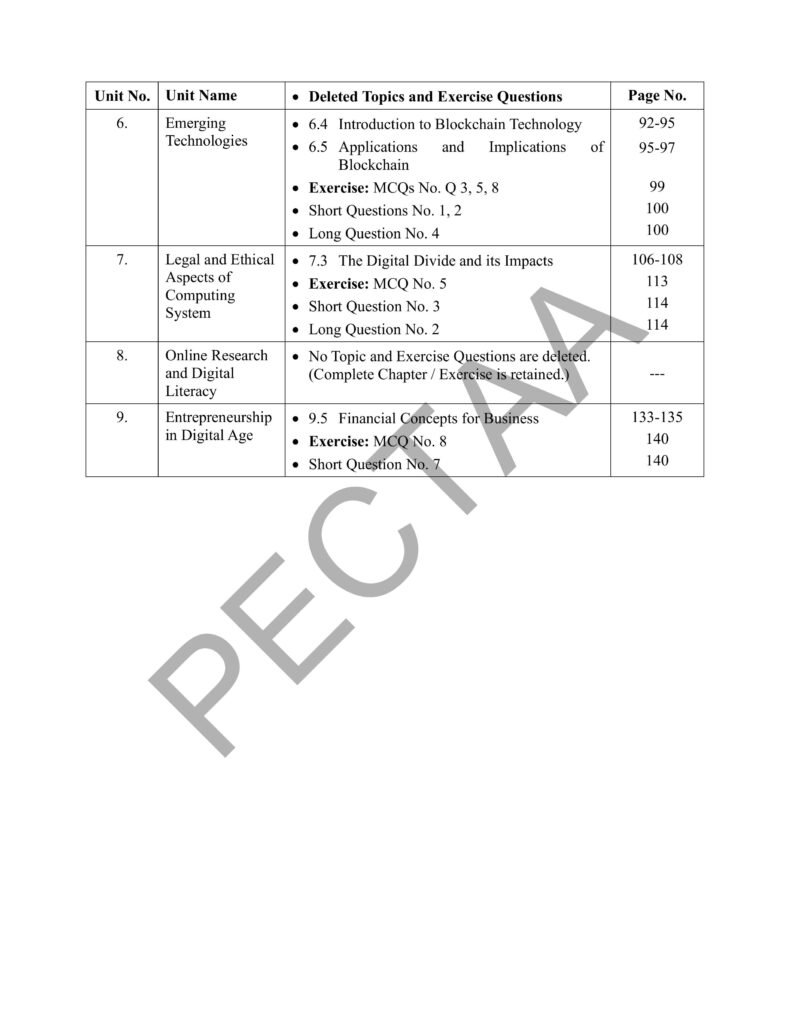
The smart syllabus maintains strong emphasis on programming fundamentals (C++), database concepts, and system basics while removing selected exercises, examples, and supplementary content.
Excluded Content (based on official ALP 2025-26 document):
- Chapter-wise reductions include specific activities, review exercises, and selected examples (e.g., certain advanced programming examples, non-essential case studies, optional activities in chapters on networks, DBMS, and web basics)
- Complete list of excluded exercises and examples available in official PDF; no entire chapter is removed, but substantial exercises and review questions are deleted to reduce load
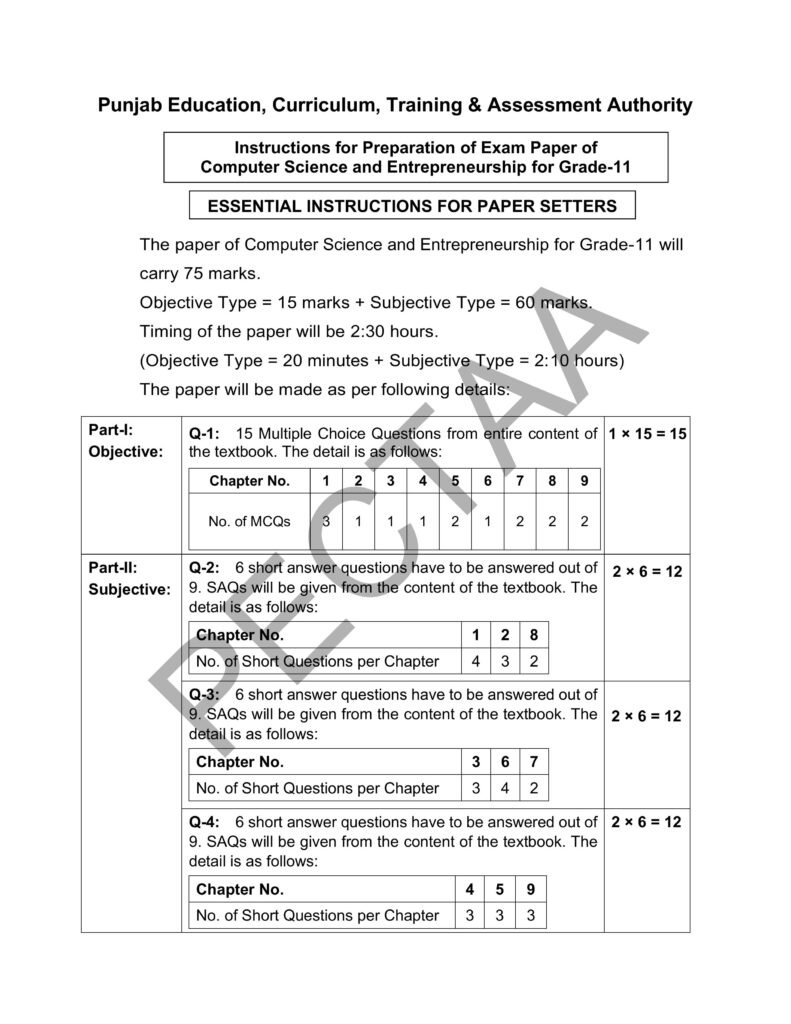
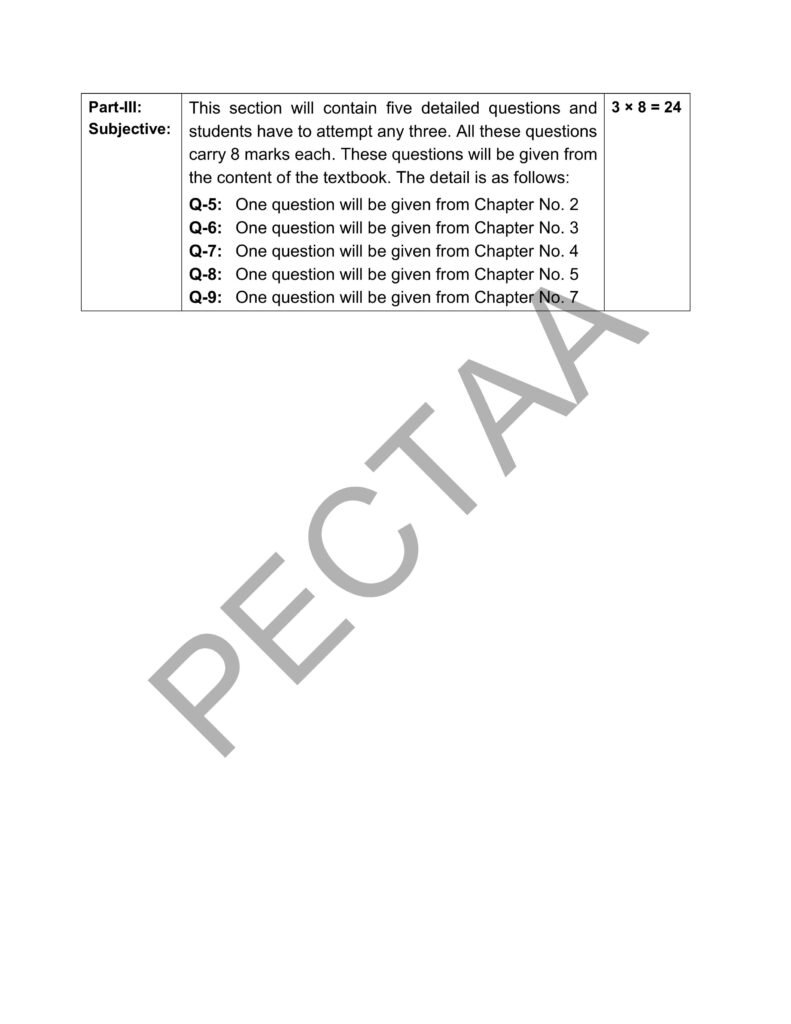
Exam Pattern:
- Total Marks: 75 (Theory)
- Objective: 15 marks (MCQs)
- Subjective: 60 marks (Short & Long Questions)
- Duration: 2.5 hours
- Practical: 25 marks (separate)
- Key Focus Areas: Programming in C++, Control Structures, Functions, Arrays, Pointers, Database Concepts, Fundamentals of Computer Systems & Networks
| Subject | Total Marks (Theory) | Objective | Subjective | Duration | Key Focus Areas |
|---|---|---|---|---|---|
| English | 100 | 20 | 80 | 3 hrs | Grammar, comprehension, essay, precis |
| Urdu | 100 | 20 | 80 | 3 hrs | Prose, poetry, composition, explanation |
| Islamiat | 50 | 10 | 40 | 2 hrs | Selected Surahs, Ahadith, ethical topics |
| Mathematics | 100 | 20 | 80 | 3 hrs | Algebra, trigonometry, calculus basics |
| Physics | 85 | 17 | 68 | 3 hrs | Mechanics, waves, electricity (practicals separate) |
| Chemistry | 85 | 17 | 68 | 3 hrs | Structure, reactions, organic (practicals separate) |
| Biology | 85 | 85 | 17 | 68 | 3 hrs |
| Computer Science | 75 | 15 | 60 | 2.5 hrs | C++ programming, functions, arrays, databases, systems |
Implementation Notes
All colleges must follow the official ALP document. Teachers are advised to focus only on retained content and use updated pairing schemes. Model papers reflecting the reduced syllabus are available on board websites.
Preparation Recommendations
- Download the official PECTAA ALP PDF for precise excluded lists
- Use updated pairing schemes for targeted preparation
- Focus on practical programming and conceptual questions from retained portions
This smart syllabus balances academic rigor with student well-being, ensuring equitable preparation for board examinations while maintaining standards for higher education progression.
What is the Smart Syllabus for 1st Year in 2025-26, and who introduced it?
The Smart Syllabus, also known as the Accelerated Learning Program (ALP), is a reduced curriculum designed by the Punjab government to ease the academic load on students by focusing on essential concepts and Student Learning Outcomes (SLOs). It was announced by Punjab Education Minister Rana Sikandar Hayat to address challenges like dense syllabi and learning gaps from past disruptions, such as COVID-19.
Which subjects are covered under the Smart Syllabus for 1st Year?
It applies to all compulsory subjects (English, Urdu, Islamiat) and elective subjects (Mathematics, Physics, Chemistry, Biology, Computer Science & Entrepreneurship). The reductions vary by group (e.g., Pre-Medical, Pre-Engineering), but all prioritize core topics while omitting non-essential chapters, exercises, and examples.
What are the key reductions in English and Urdu under the Smart Syllabus?
In English, specific thematic units and non-core exercises are excluded to emphasize grammar, vocabulary, comprehension, essays, and precis. For Urdu, certain prose, poetry chapters, and advanced analyses are omitted, retaining focus on comprehension, grammar, and composition. Exact lists are in the official PDF.
How does the Smart Syllabus affect Islamiat and its exam pattern?
Islamiat excludes supplementary topics and minor discussions, keeping essential surahs, hadiths, and ethical concepts. The exam is 50 marks (10 objective, 40 subjective) over 2 hours, with questions limited to retained content for better focus on translations and explanations.
What content is excluded in Mathematics and Physics for 2025-26?
Mathematics omits parts of units on complex numbers, sequences, advanced trigonometry, and certain applications. Physics reduces details on measurements, fluids, thermodynamics, and some interdisciplinary topics. Both maintain foundational problem-solving, with exams (100 marks for Math, 85 for Physics theory) adjusted accordingly.
Are there major changes in Chemistry and Biology syllabus?
Yes, Chemistry excludes advanced bonding, energetics, equilibria, hydrocarbons, and select lab sections. Biology prunes extra details on biomolecules, plant roles, and biostatistics. Exams are 85 marks theory each (17 objective, 68 subjective), emphasizing reactions, mechanisms, diagrams, and core concepts.
What reductions apply to Computer Science & Entrepreneurship?
No full chapters are removed, but specific exercises, review questions, advanced programming examples, non-essential case studies, and optional activities in networks, DBMS, and web basics are excluded. The focus remains on C++ programming, functions, arrays, pointers, databases, and systems.
How will exams change with the Smart Syllabus, and what are the implications?
Exams for 2026 will only test retained content—no questions from excluded material. Paper patterns are updated (e.g., MCQs and subjective sections balanced per subject), promoting conceptual understanding over rote learning. This aims to reduce stress and improve performance, though some educators note potential gaps in broader knowledge.
Where can I download the official Smart Syllabus PDF for 2025-26?
Official PDFs are available on Punjab Education Board websites (e.g., BISE Lahore) and PECTAA portals. Reliable educational sites like Taleem360 also offer downloads. Always verify for updates, as the ALP document details exact exclusions per subject.
How should students and teachers prepare for the Smart Syllabus?
Download the official PDF and updated pairing schemes from board sites. Focus on core SLOs, practice model papers reflecting reduced content, and use additional resources for omitted topics if needed. Teachers should emphasize depth in retained areas to ensure timely completion and strong conceptual grasp.





2 Responses
Thanks on your marvelous posting! I certainly enjoyed reading it, you will
be a great author. I will make certain to bookmark your blog and will eventually come back at
some point. I want to encourage continue your great work, have a nice morning!
Everything is very open with a very clear explanation of the challenges.
It was definitely informative. Your website is extremely helpful.
Thanks for sharing!