
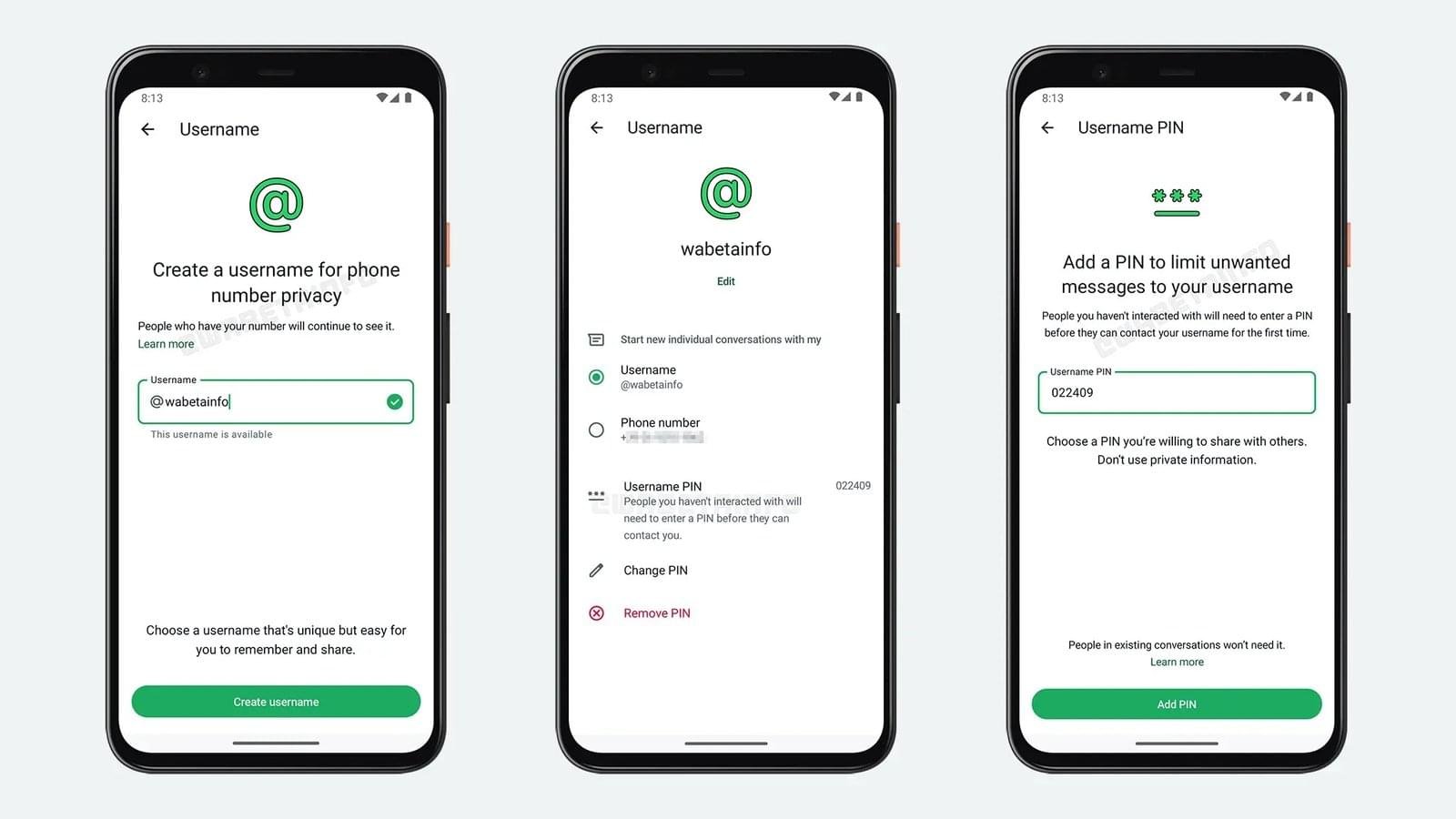

WhatsApp is launching usernames in 2026 so you can chat, call, and be found without ever sharing your phone number. Pick a unique @handle (letters, numbers, dots, underscores), keep your real digits private, and let friends or customers search you like on Instagram. Meta has already told businesses to update their systems by June 2026, and a reservation rush starts early next year. It’s optional, fully encrypted, and a huge privacy win; phone numbers stay required for signup but finally fade into the background. Get ready to claim your name!
Key Points
- Upcoming Rollout: WhatsApp plans to introduce usernames in 2026, allowing users to connect and communicate without necessarily sharing phone numbers. This feature is expected to launch later in the year, with businesses needing to prepare by June 2026.
- Privacy Focus: It seems likely that this will boost user privacy, as people can opt to use a unique username for chats, calls, and searches instead of revealing personal contact details. However, phone numbers will still be required for account registration.
- Business Benefits: Businesses may also adopt usernames, potentially strengthening their branding while maintaining secure interactions.
- No Controversy Noted: Early reports suggest broad support for this change, as it addresses long-standing privacy concerns in messaging apps, though implementation details could evolve.
Introduction
In a move that could transform how we connect on one of the world’s most popular messaging apps, WhatsApp is gearing up to let users create and use usernames instead of relying solely on phone numbers. This feature, which has been in development for some time, aims to give people more control over their privacy while making it easier to find and chat with others. As of now, it’s not yet available, but recent updates from Meta indicate a 2026 rollout. Let’s dive into what this means for everyday users and businesses alike.
What the Username Feature Entails
The username system will allow WhatsApp users to set a unique handle – think something like “@yourname” – that others can use to search for them, start chats, or even make voice and video calls. Unlike the current setup where your phone number is front and center, this optional tool lets you keep your number private if you choose. It’s similar to features already in apps like Telegram or Instagram, where usernames make connecting simpler and less personal.
From what we’ve gathered, usernames will consist of letters, numbers, periods, and underscores, but they can’t include special characters or mimic website domains (like starting with “www.” or ending in “.com”). Once set, your username becomes a key identifier, and if someone changes theirs, you’ll see a notification in the chat. Importantly, this doesn’t replace phone numbers entirely – you’ll still need one to sign up for WhatsApp – but it reduces the need to share it widely.
Timeline and Rollout Plans
Meta, WhatsApp’s parent company, has shared an official update with business partners, confirming that usernames will launch later in 2026. Businesses have a firm deadline: they must update their systems by June 2026 to handle the new feature, suggesting the public rollout could happen shortly after. There’s talk of a username reservation system rolling out in the first half of the year, so users can snag their preferred handles early.
This timeline comes from a document Meta sent to developers, emphasizing the need to integrate a new “Business-Scoped User ID” (BSUID). The BSUID is a unique code linked to each user, allowing businesses to send messages without knowing the phone number. It’s designed to keep things encrypted and secure, aligning with WhatsApp’s end-to-end encryption standards.
Benefits for Users and Privacy
One of the biggest wins here is privacy. Many people hesitate to share their phone numbers with strangers or in group settings, and this feature addresses that head-on. By using a username, you can connect with new contacts – say, for work, events, or online communities – without exposing your personal info right away. It could make WhatsApp feel more like social media platforms where anonymity is easier to maintain.
On the flip side, it might help reduce spam or unwanted contacts, as phone numbers won’t be as easily discoverable. Meta has stressed that this is a “major leap forward for privacy and safety,” and it’s easy to see why: in an era of data breaches and privacy concerns, giving users more options is a smart move.
Implications for Businesses
Businesses aren’t left out – they can switch to usernames too, which could help build brand recognition. Imagine chatting with “@YourFavoriteStore” instead of a random number. The BSUID ensures that customer interactions remain smooth, with webhooks and APIs updated to handle username-based messaging.
Meta is urging developers to prepare now, updating customer records and automated systems. This shift could encourage more businesses to use WhatsApp for customer service, knowing they can comply with data protection rules while keeping things user-friendly.
Potential Challenges and What to Watch For
While the feature sounds promising, it’s still in the works, and details could change. For instance, ensuring usernames are unique globally might lead to a rush for popular ones, similar to username squatting on other platforms. Also, since it’s optional, adoption might vary, and some users may stick with phone numbers for simplicity.
We’ll keep an eye on official announcements from WhatsApp or Meta for more specifics. In the meantime, if you’re a developer or business owner, check out Meta’s updated documentation for guidance.
Conclusion
WhatsApp’s username feature represents a thoughtful evolution in messaging, balancing convenience with privacy in a digital world that’s increasingly interconnected. As we approach 2026, this could make the app even more versatile for personal and professional use. Stay tuned for updates – and maybe start thinking about what your username might be!
WhatsApp’s move to introduce usernames in 2026 marks a significant shift in how over two billion users worldwide might soon interact on the platform. Traditionally tied to phone numbers since its inception in 2009, WhatsApp has long been criticized for requiring users to share personal contact details to connect. This new feature, drawn from ongoing beta testing and official developer communications, promises to optionalize that process, allowing for a more anonymous and flexible experience. In this detailed overview, we’ll explore the feature’s mechanics, historical context, benefits, technical underpinnings, and broader implications, supported by recent reports and social media buzz.
Historical Context and Development Journey
The idea of usernames on WhatsApp isn’t entirely new. Rumors and beta leaks have surfaced periodically since at least 2023, with early sightings in iOS and Android betas hinting at a privacy overhaul. For example, in June 2025, Mashable reported on a beta version (25.17.10.70) where users could create handles using alphanumeric characters, periods, and underscores, explicitly avoiding web-like formats to prevent scams.
Meta’s recent push, however, provides the first concrete timeline. In a document shared with business API partners in early November 2025, WhatsApp outlined the feature’s rollout for later in 2026, emphasizing a phased approach. This aligns with social media discussions, where tech enthusiasts on X (formerly Twitter) have been abuzz about the privacy boost, comparing it favorably to Telegram’s established username system.
Detailed Mechanics: How Usernames Will Work
At its core, the username feature reimagines WhatsApp’s identification system. Users will be able to:
- Create a Unique Handle: Composed of letters (a-z), numbers (0-9), periods (.), and underscores (_), but with restrictions to avoid impersonation. Usernames must be unique across the platform, and once claimed, they’re unavailable to others.
- Search and Connect: Others can find you via username search, initiating chats or calls without needing your phone number. This includes voice and video calls, maintaining end-to-end encryption.
- Privacy Controls: It’s optional – you can choose to display your username publicly or keep interactions phone-number-based. Changes to usernames will trigger system messages in affected chats.
- Reservation System: Expected in early 2026, this will let users reserve handles before full launch, potentially sparking a “username rush.”
For technical depth, WhatsApp is overhauling its infrastructure to support scalability and security. Phone numbers remain mandatory for registration but become less central post-setup.
Comparison Table: WhatsApp Usernames vs. Traditional Phone Number System
| Aspect | Phone Number System | Username System (Upcoming) |
|---|---|---|
| Identifier | Personal phone number (required for all) | Unique username (optional, alphanumeric) |
| Privacy | Number visible to contacts; risk of exposure | Number hidden; connect anonymously |
| Searchability | Limited to known contacts or QR codes | Global search by username |
| Changes | Difficult to change without losing chats | Easy updates with chat notifications |
| Business Use | Tied to phone for API interactions | BSUID for number-independent messaging |
| Availability | Current standard | Rolling out 2026 |
This table highlights the shift toward user empowerment, drawing from developer docs and beta insights.
Benefits and Broader Impacts
Research and user feedback suggest this could significantly enhance privacy, especially in regions with high concerns over data sharing. Benefits include:
- For Individuals: Reduced hesitation in adding new contacts, ideal for professional networking or community groups. It fosters anonymous initial interactions, building trust gradually.
- For Businesses: Usernames can serve as branded handles, like “@SupportTeam,” boosting recognition. The BSUID ensures compliance with privacy laws (e.g., GDPR), as businesses can handle queries without storing numbers.
- Overall Ecosystem: Aligns WhatsApp with competitors, potentially increasing user engagement. Social media posts from outlets like Tech Informer and Analytics Insight echo excitement, noting it as a “game-changing” privacy update.
However, potential downsides include increased risks of username-based harassment if not moderated well, or confusion during the transition period.
Technical and Developer Perspectives
From Meta’s announcement: “The BSUID will be linked to the user_id parameter and included in all message webhooks, regardless of whether the user has enabled the username feature.” Developers are advised to update workflows for message routing and customer data management. Official resources are available at developers.facebook.com/docs/whatsapp/business-scoped-user-ids.
Social media reactions from developers, like Adolfo on X, highlight the “username wars” ahead, underscoring the need for early preparation.
Social Media and Public Reception
On X, posts from November 2025 show positive sentiment. For instance, News.Az noted the feature’s similarity to Telegram, while PuneNow emphasized chatting without numbers. Broader discussions on Reddit and Instagram reinforce the privacy angle, with users eager for the change.
In summary, while not revolutionary, this update thoughtfully addresses user needs in a privacy-conscious era. As Meta refines it, expect more details – and perhaps a smoother, more secure WhatsApp experience by late 2026.
When can I get my WhatsApp username?
Early 2026: open the app → Settings → Profile → Username → Reserve. Full rollout (search & call) starts later in 2026.
Do I still need a phone number?
Yes for sign-up and verification, but after that your number stays hidden from anyone who doesn’t already have it saved.
Can someone steal my perfect name?
First-come, first-served. WhatsApp will auto-reserve suggestions based on your current profile name so you have a head start.
What can I actually put in a username?
✅ alex_99, alex.jones, alex99
❌ wwwalex, alex.com, alex__jones (two underscores in a row are OK, but no starting/ending dot)
Will my old chats break?
No. Existing contacts still see your number; new contacts see only “@yourname”. A tiny system message says “Alex changed username to @alex_99”.
Can I call someone just by typing their username?
Yes – voice or video. Open the search bar, type @friend, tap Call. No number needed.
What if I hate my username later?
Change it anytime in Settings. All your chats update automatically.
Do businesses get usernames too?
Absolutely. Imagine messaging “@NikeSupport” instead of +1-800-… Brands must switch by June 2026.
Is it really private?
End-to-end encryption never changes. Only people you chat with see your username; strangers can’t dig up your number.
I’m a developer – what do I do?
Update your webhooks to read the new “user_id” (BSUID) field. Meta’s guide is live: developers.facebook.com/docs/whatsapp/business-scoped-user-ids









One Response
Great post. I am facing a couple of these problems.