
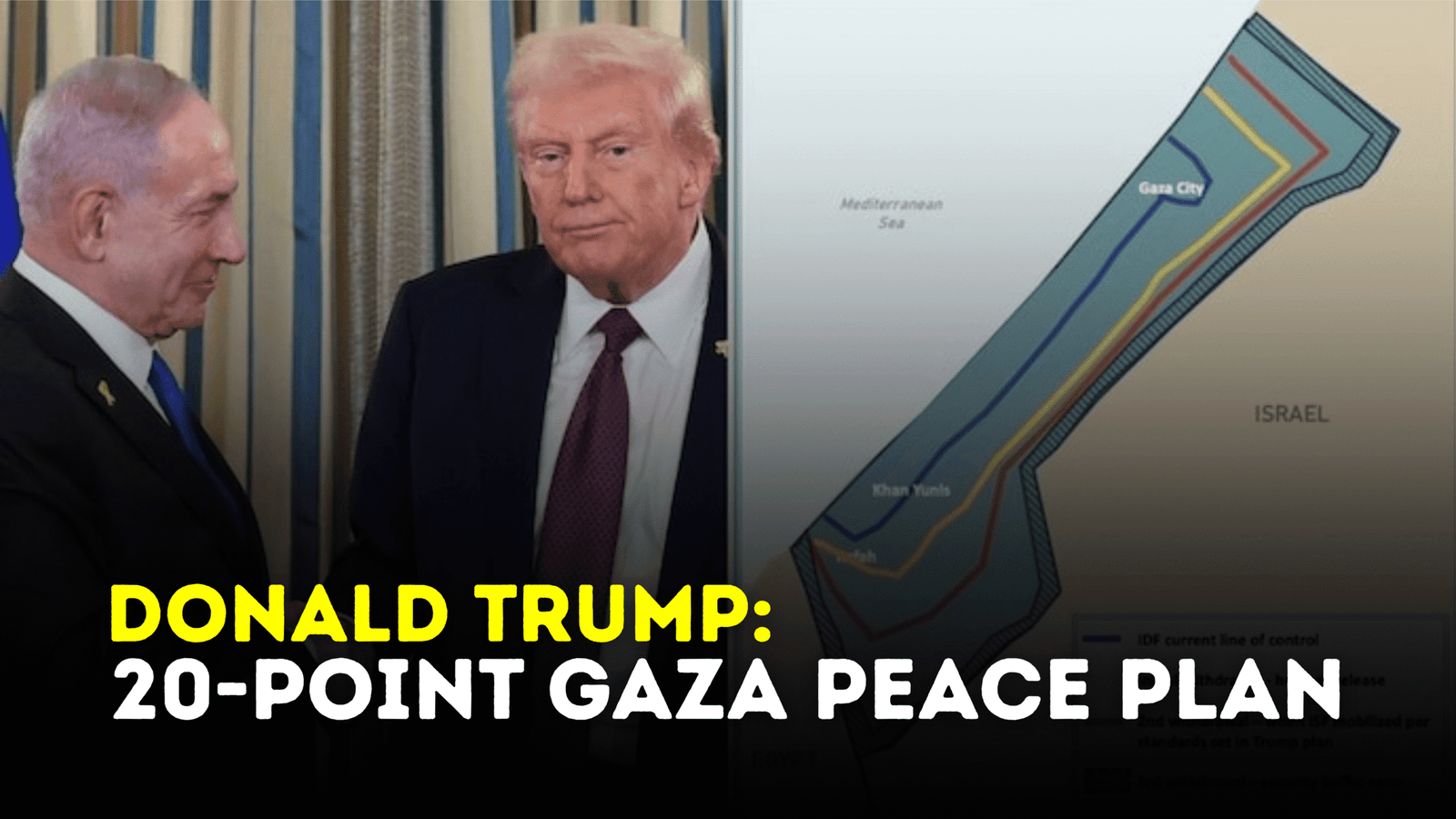

Donald Trump’s recently proposed peace plan for Gaza aims to end the ongoing conflict by focusing on deradicalization, redevelopment, and international oversight, though its success depends on acceptance by both Israel and Hamas. It seems likely that the plan could bring temporary relief, but experts note potential challenges in implementation due to historical tensions. The evidence leans toward a mixed reception, with some Arab nations supportive while others call for more negotiations.
Brief Background on the Israel-Gaza Conflict
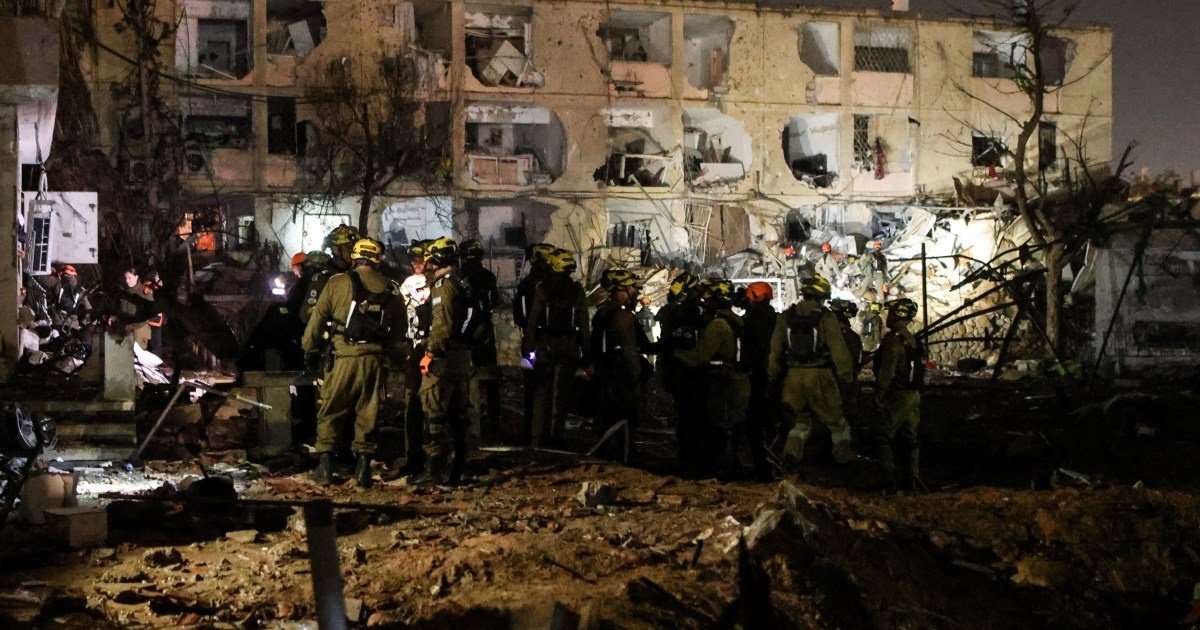
The Israel-Gaza conflict is part of the long-standing Israeli-Palestinian dispute, with roots in territorial claims dating back to the mid-20th century. Gaza, a small coastal enclave, has been under Hamas control since 2007. The current escalation began on October 7, 2023, when Hamas launched attacks on Israel, killing around 1,200 people and taking over 250 hostages. Israel’s response has involved military operations, resulting in over 40,000 Palestinian deaths and a severe humanitarian crisis in Gaza, including displacement and shortages of essentials. As of October 2025, the war continues, with international efforts like Trump’s plan seeking to break the cycle.
Initial Reactions
Hamas has partially accepted the plan, agreeing to hostage releases but seeking talks on details like demilitarization. Israel has shown willingness to coordinate, while global leaders, including from India and Malaysia, have praised it as a step toward peace. However, critics argue it favors Israel and lacks enforcement mechanisms.
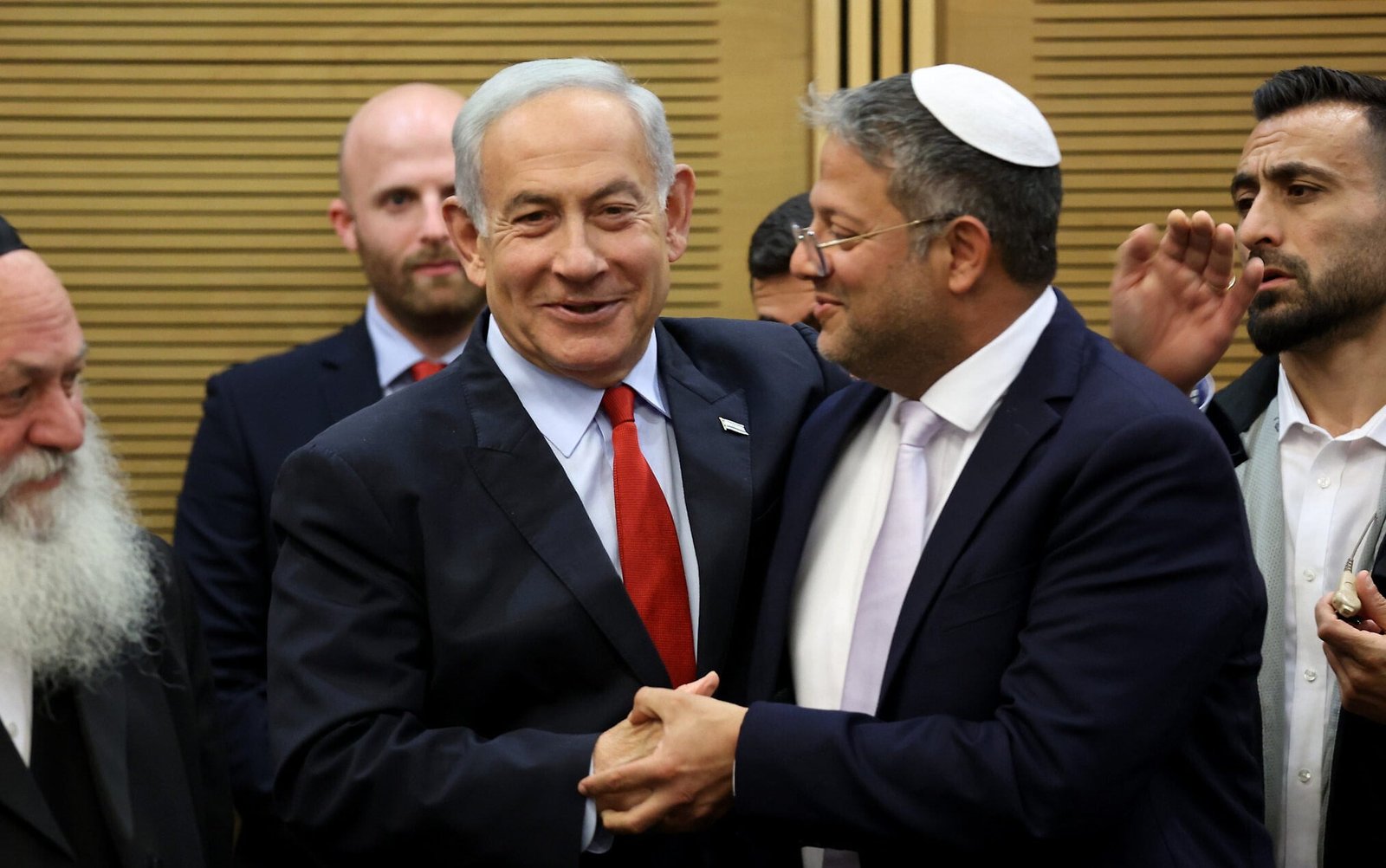
President Donald Trump’s 20-point peace plan for Gaza, unveiled in late September 2025, represents a bold U.S.-led initiative to resolve the nearly two-year war between Israel and Hamas. Announced at the White House alongside Israeli Prime Minister Benjamin Netanyahu, the proposal has garnered support from several Arab and Muslim nations, though Hamas has only partially accepted it, calling for further negotiations. This plan comes amid a conflict that has devastated Gaza, displaced millions, and drawn international condemnation for its humanitarian toll.
In-Depth Background on the Israel-Gaza Conflict
The roots of the Israel-Gaza tensions trace back to the 1948 Arab-Israeli War, when Israel was established, leading to the displacement of hundreds of thousands of Palestinians in what they call the Nakba. Gaza, bordered by Israel, Egypt, and the Mediterranean, became a focal point after the 1967 Six-Day War, when Israel occupied it along with other territories. In 2005, Israel withdrew settlers and troops from Gaza, but maintained control over its airspace, waters, and borders, creating what many describe as an open-air prison.
Hamas, an Islamist group designated as a terrorist organization by the U.S., EU, and Israel, won elections in 2006 and took full control of Gaza in 2007 after clashing with the Fatah-led Palestinian Authority. Since then, multiple rounds of conflict have erupted, often involving rocket attacks from Gaza and Israeli airstrikes or ground incursions. The latest phase began on October 7, 2023, with Hamas’s surprise assault, killing civilians and soldiers and capturing hostages. Israel’s retaliation has included a blockade, bombings, and ground operations, leading to widespread destruction—over 90% of Gaza’s schools and hospitals damaged, famine risks, and a death toll exceeding 40,000, according to health officials in Gaza. By 2025, the war has also spilled into regional tensions, involving Hezbollah in Lebanon and Houthi rebels in Yemen, raising fears of a broader Middle East conflict.
International efforts to mediate have included Qatar, Egypt, and previous U.S. administrations, but none have achieved lasting peace. Trump’s plan builds on his 2020 “Peace to Prosperity” vision but adapts to the current crisis, emphasizing deradicalization and economic revival.
Breaking Down the 20-Point Plan
The plan prioritizes immediate ceasefire, humanitarian aid, and long-term stability, but critics highlight ambiguities in enforcement and Hamas’s exclusion.
- Gaza as a deradicalized, terror-free zone
Aims to ensure Gaza no longer threatens neighbors like Israel, involving deradicalization programs to promote peaceful coexistence. This addresses Israel’s security concerns post-October 7 attacks. - Redevelopment for Gaza’s people
Focuses on rebuilding infrastructure for residents who have endured years of conflict and blockade, emphasizing humanitarian improvement. - Immediate end to war upon agreement
Calls for a ceasefire, Israeli withdrawal to pre-agreed lines, and suspension of all military actions to facilitate hostage release. This is a critical first step to de-escalate. - Return of all hostages within 72 hours
Requires Hamas to release all living and deceased Israeli hostages shortly after Israel’s acceptance, building trust. Around 48 hostages remain as of October 2025. - Israel releases Palestinian prisoners
In exchange, Israel frees 250 life-sentence prisoners, 1,700 post-October 7 detainees, and remains in proportion. This mirrors past deals but on a larger scale. - Amnesty and safe passage for Hamas members
Compliant members get amnesty if they decommission weapons; others can leave Gaza safely. Aims to incentivize disarmament without full prosecution. - Immediate full aid delivery
Aid flows in without restrictions, matching January 2025 agreements for infrastructure rehab. Addresses the ongoing crisis where aid has been blocked. - Aid distribution via neutral parties
UN, Red Crescent, and others handle aid without interference; Rafah crossing reopens under prior mechanisms. Ensures impartiality amid accusations of weaponized aid. - Temporary technocratic governance
A Palestinian committee with international experts runs daily services, overseen by Trump’s “Board of Peace” including Tony Blair. Transitions to reformed Palestinian Authority control. - Economic development plan
Panel of experts to rebuild Gaza like modern Middle East cities, incorporating global proposals for jobs and hope. - Special economic zone
Negotiated tariffs to attract investment, fostering growth in a post-war economy. - Voluntary movement, no forced displacement
People can leave and return freely, but are encouraged to stay for rebuilding opportunities. Responds to fears of ethnic cleansing. - Hamas exclusion and demilitarization
No role for Hamas; destroy military infrastructure, with monitored decommissioning and buy-back programs. Commits to prosperous, peaceful “New Gaza.” - Regional guarantees
Partners ensure compliance and non-threat from Gaza. Involves Arab nations in enforcement. - International Stabilization Force
U.S.-led force trains Palestinian police, consulting Egypt and Jordan for long-term security.
Reactions and Potential Challenges
Hamas agreed to parts like hostage release but resisted full disarmament and exclusion from governance, seeking more talks. Israel, under Netanyahu, has prepared for the first phase, including reduced operations. Arab leaders from Qatar, Egypt, and others mediated and supported, but Pakistan distanced itself from some aspects. Global figures like Narendra Modi hailed it as a step forward.
Critics argue the plan is ambitious but vague on enforcement, potentially biased toward Israel, and reliant on Trump’s personal involvement. Supporters see it as a pragmatic path to end suffering, with economic incentives key to sustainability. As negotiations continue, the plan’s fate hinges on compromise amid deep-seated mistrust.
Key Highlights
- Core Objectives: The plan emphasizes making Gaza a “terror-free zone,” releasing hostages, providing amnesty to compliant Hamas members, and rebuilding the region economically under international supervision.
- Hostage and Prisoner Exchange: It proposes a swift return of all Israeli hostages in exchange for Palestinian prisoners, aiming to build trust quickly.
- Governance Shift: A temporary technocratic committee would run Gaza, overseen by a “Board of Peace” chaired by Trump himself, until the Palestinian Authority is reformed.
- Economic Focus: Includes creating a special economic zone and a development plan to attract investment and create jobs.
- Controversies: While it avoids forced displacement, it requires Hamas to step aside completely, which has sparked debate on feasibility and fairness.
Frequently Asked Questions (FAQs)
What is Donald Trump’s Gaza Peace Plan?
The plan is a 20-point proposal announced in September 2025 aimed at ending the ongoing Israel-Gaza conflict. It focuses on deradicalization, redevelopment, and international oversight to create a “terror-free” and economically stable Gaza.
What are the main goals of the plan?
Its key objectives include ending the war, ensuring Gaza’s demilitarization, rebuilding infrastructure, promoting economic growth, and establishing temporary international governance until a reformed Palestinian Authority takes over.
Who would govern Gaza under this plan?
A temporary technocratic committee composed of Palestinian experts and international representatives would manage Gaza. Oversight would come from a “Board of Peace” chaired by Donald Trump, until local governance stabilizes.
Does the plan involve Hamas?
No. Hamas is excluded from governance and required to fully disarm. However, compliant members may receive amnesty or safe passage if they surrender weapons and renounce violence.
How does the plan address the humanitarian crisis in Gaza?
It ensures immediate and unrestricted aid delivery, managed by neutral organizations such as the UN and Red Crescent, and prioritizes rebuilding housing, hospitals, and essential services.
What provisions are made for hostages and prisoners?
The plan requires Hamas to release all Israeli hostages within 72 hours, while Israel would release over 2,000 Palestinian prisoners in exchange, aiming to build early trust between both sides.
How will Gaza’s economy be rebuilt?
Trump’s proposal includes creating a Special Economic Zone and launching a global investment plan to attract businesses, generate jobs, and modernize Gaza’s infrastructure, similar to Gulf cities.
Are Palestinians allowed to leave Gaza under the plan?
Yes. Movement is voluntary, and there will be no forced displacement. Residents are encouraged to stay and participate in Gaza’s rebuilding process.
How is international security ensured?
An International Stabilization Force, led by the U.S. with support from Egypt and Jordan, would train Palestinian police and monitor the peace process to prevent renewed violence.
What has been the global reaction to the plan?
Reactions are mixed. Israel and several Arab states have shown cautious support, while Hamas seeks further negotiation. Some critics call the plan biased and unenforceable, whereas others view it as a realistic step toward lasting peace.


One Response